
The Best Live Dealer Casinos Online for Australian Players in 2026
Online casino is prohibited in Australia. That is the legal ground this page stands on — no online casino licence exists, the ACMA has blocked 1,564 sites since November 2019, and 225 services have withdrawn from the Australian market since 2017. The individual player is not prosecuted. But no consumer protection, no BetStop coverage and no ombudsman cover the offshore site an Australian reaches today, and the site can be blocked with funds still on it.

The demand, despite the prohibition, is real. Live dealer — a real person dealing real cards or spinning a real wheel in HD — is the product Australians want and the only online casino product the offshore market has built at scale. This page ranks the ten offshore platforms Australians actually reach in 2026, ordered by AU market share and evaluated on bonus terms, wagering fairness and game-provider depth. Every brand below is unlicensed in Australia. Pretending otherwise is what the rest of the search results do.
Data current as of 22 November 2026 and verified against ACMA public registers and operator terms pages.
Table of Contents
- What a live dealer casino actually is — and why Australians play offshore
- The 10 offshore live dealer casinos Australians are playing at in 2026
- Rocket Play — the biggest Australian player base, but 40x wagering
- Skycrown — the 450% headline bonus that spreads across four deposits
- Royal Reels — 35x wagering on bonus only, the lightest multiplier in the set
- Stake — crypto-only giant with ongoing promos instead of a welcome package
- WinSpirit — Curaçao-licensed since 2022, VPN access blocked
- Bizzo Casino — ~600 live dealer tables across seven providers
- FairGO — 30x wagering with no max bet rule, the lightest terms reviewed
- Legiano — 25% live casino cashback and a 200-free-spin welcome
- Rainbet — Anjouan-licensed operator with a licence valid through mid-2026
- Rocket Casino — 50x wagering on deposits over $100, the heaviest in the set
- From Blackjack to Crazy Time: the live dealer games that matter
- Why your live dealer bonus is harder to clear than it looks
- Crypto and anonymous live dealer play: what the payment ban means
- The legal reality: online casino is prohibited in Australia
- Playing safely: where to get help and what offshore casinos will not give you
- How we evaluated every live dealer casino on this page
- What to actually do about live dealer play in 2026
- Frequently asked questions about live dealer casinos in Australia
What a live dealer casino actually is — and why Australians play offshore
What a live dealer casino actually is
The live-dealer format is three things bolted together: a studio, a dealer and a stream. The studio is a purpose-built room with HD cameras pointed at green-felt tables. The dealer is a professionally trained croupier running the table in real time, dealing real cards from a real shoe or spinning a real wheel. The stream is what carries it to your screen, with latency under one second at the platforms on this page and a 15–20 second bet window per round.
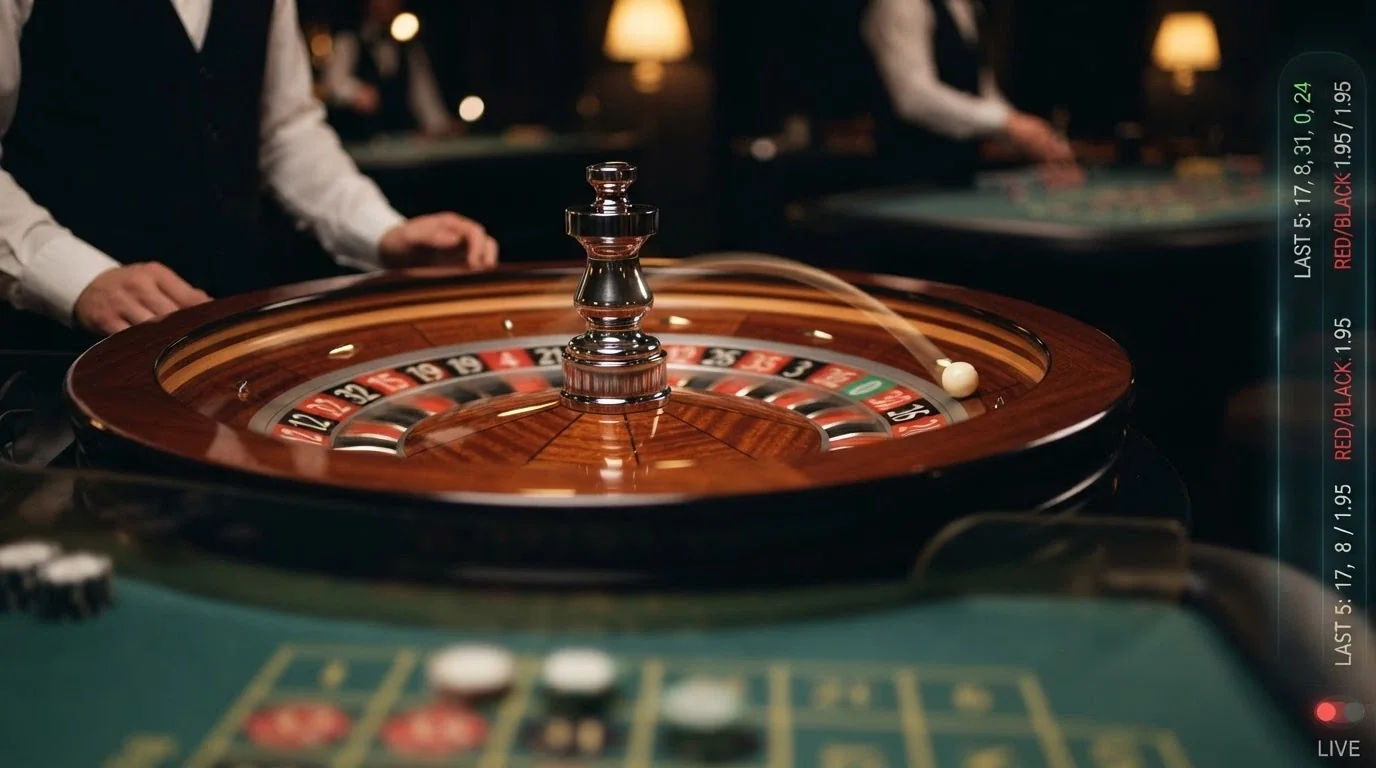
Evolution Gaming powers roughly 85% of those tables at Australian-facing platforms. The bigger offshore brands stock 50 to 80 Evolution tables each, with minimum bets starting at A$0.50 and VIP rooms going past A$10,000 a hand. Every operator in this ranking runs an Evolution live floor except FairGO, which sits on RealTime Gaming alone.
The contrast that matters is between live dealer and a regular online casino. A regular online casino runs games on a random number generator — software picks the card, software spins the wheel, no human is on the other end. Live dealer replaces that software with a person in a studio, with cameras catching every shuffle and every spin. The pace is slower, the minimums are higher, and the trust sits on different ground: you are not trusting an algorithm to be random, you are watching a real wheel slow to a stop.
The chat is the part most reviews skip. Every live dealer table has a chat window beside the betting interface. You type, the dealer reads it, the dealer types back. The dealer cannot change the cards or the wheel, but a live croupier who greets you by name changes the experience in a way no RNG ever has.
Live dealer in Australia: the offshore reality
There is no Australian-licensed live-dealer casino. The Interactive Gambling Act 2001 prohibits online casino games — including live dealer — and has never issued a licence for them. What an Australian player reaches is the offshore set.
Most operators in this ranking run from Curaçao. One, Rainbet, runs from Anjouan. None of them hold an Australian licence, because no Australian licence exists.
The IGA targets the provider, not the player. A person in Australia accessing an offshore casino is not prosecuted under the act. The offshore operator, by providing the service, is — and the ACMA has used that distinction to drive 1,564 website blocking requests since November 2019 and to push 225 services off the market entirely since 2017.
What an Australian player loses, in exchange for not being prosecuted, is everything Australian consumer law gives a domestic consumer. No external dispute resolution. No enforceable withdrawal timelines. No recourse if the operator voids a win, closes an account or refuses to pay a balance. The Curaçao and Anjouan licence frameworks have complaint processes, but they are slow, run in jurisdictions Australian players cannot easily access, and resolve a fraction of cases that go through them.
Real-money vs free live-dealer play: what you can actually do
Free play exists at most reviewed platforms in demo mode, but it is not what most players think it is. Live-dealer studios cost real money to run — a dealer per table, a camera crew per shift, a stream per seat — and demo play at most sites is limited to a handful of game-show formats or a short session window.
Real-money play is the product. Stakes start at A$0.50 on most Evolution tables and climb past A$10,000 in the VIP rooms. The same Evolution interface runs the game at every stake level — the dealer, the camera angles and the bet window are identical. The only thing that changes with the stake is the size of the bet and the size of the risk.
What free play gives a player is a chance to learn the interface and the pace of a game before committing real money. What it withholds is the realistic experience. Live dealer without a stake on the table is a different product from live dealer with one — the chat is quieter, the rounds feel slower, and the bonus structures that drive most real-money play are not part of the demo.
Mobile live dealer: playing on your phone
Every reviewed platform works in a mobile browser without an app install. The HD stream is built to scale to a phone screen, the bet placement is touch-based, and the chat overlay sits above the betting grid on a portrait display the way it sits beside the betting grid on a landscape one.
The mobile experience holds up on a stable 4G or 5G connection. A weaker signal will buffer the stream and close the 15–20 second bet window before the player has placed a chip — a frustrating loss at A$1 minimums and a costly one at A$1,000 minimums. Players who play live dealer on mobile as their primary setup tend to use Wi-Fi for higher-stakes rounds and mobile data for casual sessions.
There is no separate Australian live-dealer app market to navigate, because there is no Australian live-dealer licence that would authorise one. The apps some operators publish sit in offshore app stores and are not subject to Australian consumer law.
The 10 offshore live dealer casinos Australians are playing at in 2026
Ten offshore operators carry the bulk of Australian live-dealer play. The ranking below is built on four inputs: AU market share, where confirmed; the headline value and the fair-print value of the welcome offer; the wagering multiplier and what it actually costs a player to clear; and the depth of the live-dealer floor, measured by provider count and table volume.

A few things to read into the table before reading it. Every operator is offshore. The “Welcome Bonus” column shows the headline figure — almost every multi-deposit offer in this set advertises a much larger number across the package than the first deposit actually pays. The “Wagering” column shows the multiplier the operator applies to the bonus, plus the bonus-cost implications research carries; live dealer contributes 0–10% to wagering at most of these sites, which means a player cannot realistically clear a bonus by playing the live games they came for. The “Live Dealer Providers” column shows who powers the table — Evolution Gaming and Pragmatic Play Live are the two names to know.
The ranking is not a recommendation. Every operator on this list is unlicensed in Australia. A reader who signs up with one has accepted that fact and the risks this page lays out elsewhere.
| Operator | Licence | Welcome Bonus | Wagering | Live Dealer Providers |
|---|---|---|---|---|
| Rocket Play | Curaçao | Up to $2,000 + 100 FS | 40x bonus | Evolution, Pragmatic Play Live |
| Skycrown | Curaçao | 450% up to A$8,000 + 400 FS across 4 deposits | 40x bonus + FS winnings | Evolution, Pragmatic Play Live, IGTech |
| Royal Reels | Offshore | A$2,500 + 50 spins across 3 deposits | 35x bonus only | Pragmatic Play, Play’n GO, Evolution |
| Stake | Curaçao | — | — | Evolution, Pragmatic Play Live, Hacksaw, Push Gaming |
| WinSpirit | Curaçao (since 29 Dec 2022) | 100% match + free spins | — | Evolution, Beterlive |
| Bizzo Casino | Offshore | Up to A$7,250 + 175 FS + 1 bonus game | — | Pragmatic Play Live, WinFinity, ICONIC21, BetGames, Playtech, Ezugi, Enjoy |
| FairGO | Offshore | — | 30x pokies, no max bet | RealTime Gaming |
| Legiano | Offshore | 100% up to A$750 + 200 FS | 35x deposit+bonus, 40x FS winnings | 107 providers |
| Rainbet | Anjouan (valid through 13 Jun 2027) | — | — | — |
| Rocket Casino | Offshore | — | 50x on deposits over $100, $5 max bet | — |
Rocket Play — the biggest Australian player base, but 40x wagering
Rocket Play is the AU market-share leader in the offshore live-dealer set, sitting at 9.4% of Australian player traffic across the operators evaluated. The brand is Curaçao-licensed, runs Evolution and Pragmatic Play Live on the live floor, and offers a structured two-deposit welcome of up to A$2,000 plus 100 free spins — a 100% first-deposit match plus the free spins on the first deposit, then a 200% boost on the second.
The minimum deposit is A$20 on the first leg and A$75 on the second. The wagering multiplier is 40x on the bonus amount, and the max bet during playthrough is capped at A$7.50. That cap is the number that defines the bonus: at A$7.50 per spin, clearing A$1,000 in bonus money at 40x means A$40,000 in turnover, which at 5-second spins is roughly 148 hours of play at the maximum bet — and the contribution rules mean most of those spins need to be on pokies, not live dealer.
The verdict: the 9.4% market share is real, the bonus headline is workable, and the A$7.50 max bet at 40x wagering is the price of entry. Rocket Play is the operator for a player who has decided Curaçao is acceptable, the bonus is worth taking, and the playthrough is something to grind through rather than race.
Skycrown — the 450% headline bonus that spreads across four deposits
Skycrown runs the largest headline number in the offshore set — a 450% deposit match up to A$8,000 plus 400 free spins across the first four deposits, with 40x wagering on bonus and free spin winnings. The marketing pull on that figure is obvious. The first deposit is where the real value sits: a 120% match up to A$1,200 plus 125 free spins on Wolf Treasure, with a minimum deposit of A$30.
Skycrown holds 8.55% of Australian market share on the data reviewed. The live floor runs on Evolution, Pragmatic Play Live and IGTech — the third of which is where the Wolf Treasure free-spin game sits, and the only operator in the set to anchor a free-spin package on a specific pokies title. The wagering multiplier applies to free spin winnings as well as the bonus amount, which is the structural feature most reviews skip.
The verdict: a 450% headline is a marketing word, not a first-deposit fact. Skycrown’s real offer to a first-time Australian player is the 120% match up to A$1,200 — a workable number at a manageable minimum, attached to a 40x playthrough that the wagering-contribution rule makes heavier than the headline suggests.
Royal Reels — 35x wagering on bonus only, the lightest multiplier in the set
Royal Reels carries the lightest wagering multiplier in the offshore set — 35x on the bonus only, with a per-spin cap of A$5 rather than a flat max-bet rule. The welcome is a three-deposit structure totalling A$2,500 plus 50 spins: 100% up to A$500 on the first, 75% up to A$750 on the second, and 100% up to A$1,250 on the third. The free spins are valued at A$0.20 each.
The live floor runs Pragmatic Play, Play’n GO and Evolution for the live tables. The library is pokies-heavy — about 1,400 of the 1,800 total titles are pokies, with an average RTP of 96.4% across the 50 most-played games. AU market share sits at 2.51%.
The per-spin cap rather than a max-bet rule is the structural difference. A cap on what each spin can be worth is friendlier to live dealer than a flat max bet at A$5, because the cap survives across game types in a way the max bet does not. Royal Reels is the operator to pick if the wagering multiplier is the deciding factor — at 35x on bonus only, the playthrough is the lightest in the set, and the cap is built around the games most live-dealer players actually play.
Stake — crypto-only giant with ongoing promos instead of a welcome package
Stake is the best-known name in crypto-native gambling, and the only major operator in the set to skip the traditional welcome bonus altogether. The brand holds a Curaçao licence, runs Evolution, Pragmatic Play Live, Hacksaw and Push Gaming on the live and slot side, and offers ongoing promotions — reloads, races, rakeback-style cashback — rather than a sign-up package.
The implication for a player who arrived expecting a welcome bonus is structural: there isn’t one, and there won’t be. The offer at Stake is the live floor, the provably-fair games, and the ongoing reload calendar. AU market share sits at 1.28%, which is low for a brand with Stake’s profile, and reflects how few Australian players actually use the platform versus how many know it.
The verdict: a player who wanted a sign-up bonus will leave Stake empty-handed. A player who values the live floor above the welcome will stay. Stake is the right pick for someone who has decided the welcome-bonus model is not how they want to be paid, and who values live-floor depth and crypto-native withdrawal speed above a sign-up match.
WinSpirit — Curaçao-licensed since 2022, VPN access blocked
WinSpirit is the youngest operator in the set, established 29 December 2022 under a Curaçao licence. The brand runs Evolution and Beterlive on the live floor, and offers a 100% match welcome plus free spins — though exact terms research did not confirm for live dealer specifically. AU market share sits at 1.55%.
The single feature that distinguishes WinSpirit from the rest of the Curaçao set is the explicit VPN prohibition. A player who connects from Australia through a VPN will, per the terms, be refused access. This is unusual in the offshore market — most Curaçao brands do not enforce a VPN block — and is a sign of how seriously the operator takes the jurisdictional line.
The verdict: WinSpirit is the operator for a player who has decided to commit to a single Curaçao brand and play there for the long run. The VPN prohibition cuts off a workaround some Australians use to access sites that block Australian IPs, which is either a feature or a problem depending on the player.
Bizzo Casino — ~600 live dealer tables across seven providers
Bizzo runs the deepest live-dealer catalogue of any reviewed brand, at roughly 600 games across seven providers: Pragmatic Play Live, WinFinity, ICONIC21, BetGames, Playtech, Ezugi, and Enjoy. The welcome offer runs up to A$7,250 plus 175 free spins plus one bonus game, with a 125% first-deposit match that requires a minimum of A$250 to unlock at the maximum rate. A 200% crypto welcome bonus up to A$800 is also available.
AU market share sits at 0.57% — small, but the seven-provider live floor is the broadest in the set by a wide margin. A player who has decided they want game-show variants, niche roulette formats and the long tail of Evolution-style tables will find more of them at Bizzo than anywhere else reviewed.
The wagering contribution at Bizzo follows the market pattern: pokies contribute 100%, live dealer contributes 0–10% and is often excluded. The headline bonus is large; the path through the wagering requirement is the same pokies grind the rest of the offshore set demands.
The verdict: the deepest live catalogue in the set, at a price the wagering contribution makes higher than the headline suggests. Bizzo is for the player whose priority is the live-floor variety, not the bonus arithmetic.
FairGO — 30x wagering with no max bet rule, the lightest terms reviewed
FairGO carries the lightest wagering terms of any reviewed brand — 30x on pokies, with no max-bet rule during playthrough. The structure is the closest thing to a player-friendly offer on this page, and the only set of terms where the absence of a max-bet cap means a player can clear the wagering requirement at their preferred stake.
The cost of those terms is the catalogue. FairGO runs on RealTime Gaming alone, which means the live-dealer floor is RTG’s — smaller than the Evolution and Pragmatic Play Live offerings at the rest of the set, and missing the variants most live-dealer players came for. AU market share sits at 0.8%.
The verdict: FairGO’s 30x multiplier and the no-max-bet rule are real; the catalogue is thin. Players pick one, not both. FairGO is the brand to pick if the wagering terms are the deciding factor and the player is willing to accept an RTG-only live floor to get them.
Legiano — 25% live casino cashback and a 200-free-spin welcome
Legiano is the only operator in the set with a dedicated live-casino cashback rate — 25% on live tables, plus a 15% weekly cashback on the rest of the library. The welcome is 100% up to A$750 plus 200 free spins, with a 35x wagering multiplier on deposit plus bonus and 40x on free-spin winnings. The free spins credit at 20 per day over 10 days.
The site runs 107 game providers in total, the broadest library count in the set. The minimum deposit is A$30. The bonus structure is otherwise ordinary for the offshore market — the live cashback is the feature that makes Legiano different.
That cashback is the one bonus on this page that credits the games a live-dealer player actually plays. Live dealer contribution to wagering is the trap on every welcome package; cashback does not need to clear, does not apply a multiplier, and pays on net loss without asking the player to grind a single spin. For a regular live-dealer player, Legiano’s 25% cashback is worth more in a quarter than the welcome bonus is worth at the table.
The verdict: the welcome is decent; the cashback is the point. Legiano is the operator for the live-dealer player who has decided that cashback is a more honest bonus structure than a deposit match.
Rainbet — Anjouan-licensed operator with a licence valid through mid-2026
Rainbet is the only Anjouan-licensed operator in the set, holding licence ALSI-152406029-FI2 through 13 June 2027 under RBGAMING N.V. (company registration 16077). The brand carries 1.28% of Australian market share, the same figure Stake holds — which is useful as a comparison point, given the two brands are otherwise unrelated.
What research did not confirm this round was the welcome bonus, the game-provider specifics, or the wagering structure at Rainbet. The honest read is that the brand exists and the licence is real, but the offer to a player who has not signed up yet is not documented in enough detail for this ranking to evaluate.
The verdict: an Anjouan licence is paperwork, not player protection. The verification may take longer at the cashier, but the dispute resolution, the withdrawal guarantees and the recourse if the operator closes an account are the same as any other Curaçao- or Anjouan-licensed brand on this page. The licence is a number; the protection is whatever the operator chooses to offer.
Rocket Casino — 50x wagering on deposits over $100, the heaviest in the set
Rocket Casino carries the heaviest wagering multiplier in the offshore set reviewed — 50x on all deposits over A$100, with a A$5 max-bet limit during playthrough. The minimum bet cap and the multiplier together make this the most expensive operator in the ranking to convert a deposit into a withdrawable balance.
Research did not confirm a welcome bonus or the live-dealer provider set this round. AU market share sits at 0.57%, the same as Bizzo, and the brand is otherwise a thin profile. What the wagering terms tell the reader is that the operator is not competing on bonus generosity — the 50x multiplier is roughly 67% heavier than the 30x FairGO offers, and is at the top of the band the market uses to discourage bonus abuse.
The verdict: the 50x multiplier makes Rocket Casino the most expensive brand in the set to convert a deposit into a withdrawable balance, and the A$5 max bet makes the grind longer. A player choosing Rocket Casino is choosing the brand for a reason other than the welcome offer.
From Blackjack to Crazy Time: the live dealer games that matter
Live blackjack: the game with the lowest house edge on the live floor
Live blackjack is the game with the lowest house edge on the live-dealer floor — standard rules pay 3:2 on blackjack and the dealer stands on all 17s, which puts the house edge around 0.5% on a perfectly-played hand. Evolution Gaming offers three variants the reviewed brands all stock: Infinite Blackjack, which seats an unlimited number of players per table; Speed Blackjack, which cuts round time to roughly seven seconds per hand; and Lightning Blackjack, which applies random multipliers of up to 25x on winning hands.
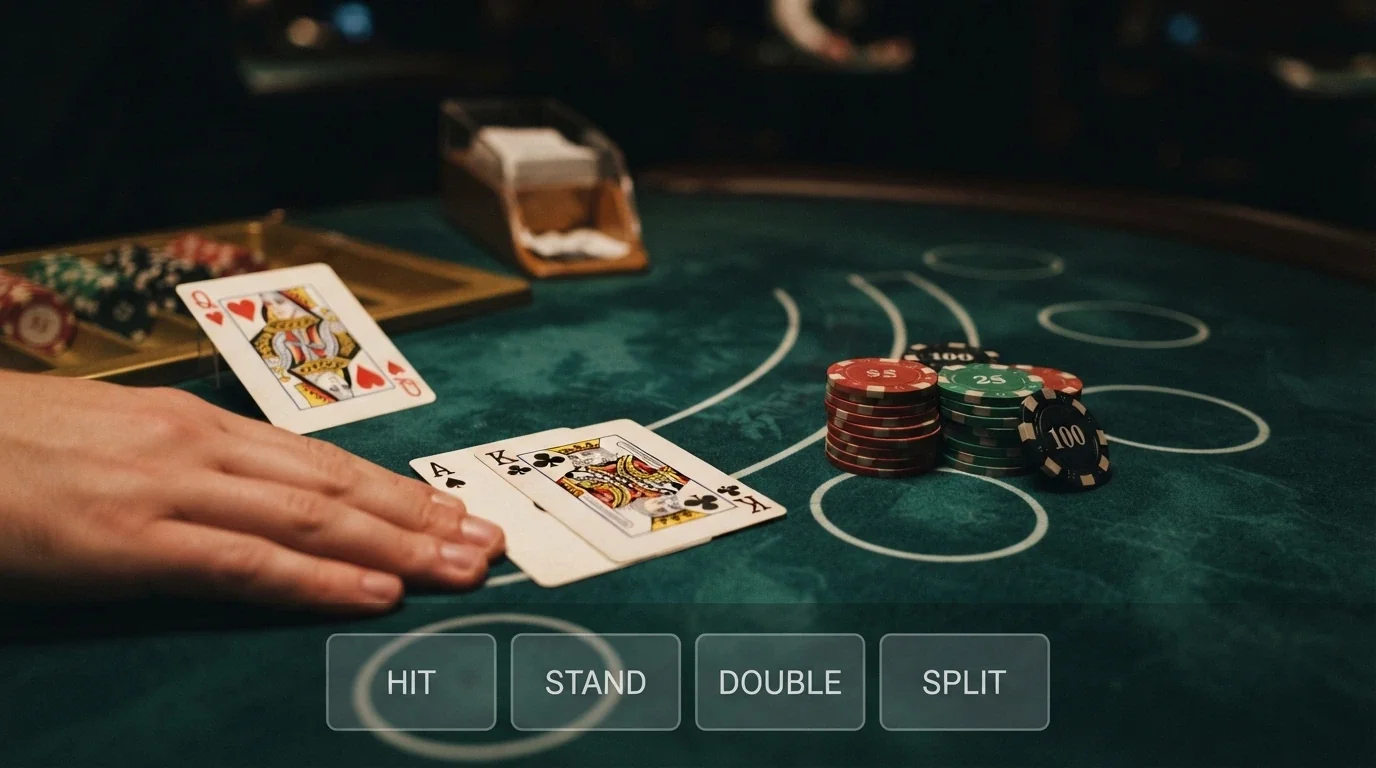
Bet limits run from A$1 to A$10,000. The round time and the table occupancy differ; the math does not. Lightning Blackjack pays 3:2 on the multiplied side of the bet, which is the source of the bigger payouts the marketing leans on, but the multipliers cost a small fraction of the base RTP — about 1% relative to standard blackjack, by Evolution’s published figures.
A live-dealer player who wants the lowest house edge on the live floor plays standard or Infinite Blackjack at a table they can afford, without the multipliers. The multipliers are the reason a session looks different on a screen; the math is the reason it ends differently in a wallet.
Live roulette: Lightning, Immersive and the variants that multiply your win
Live roulette is the most-stocked game on the Evolution floor. The three variants Australian-facing brands run are Lightning Roulette, Immersive Roulette and Auto-Roulette. Bet limits run from A$0.50 to A$25,000.
Lightning Roulette applies random multipliers of up to 500x on straight-up bets, and is the most-watched live roulette variant at Australian-facing brands. The catch is that the base payout on a straight-up number drops from 35:1 to 29:1 when the multiplier mechanic is in play — a structural reduction in RTP that funds the larger payouts. The maths still favours the house at roughly 2.7% on European single-zero rules; the multipliers tilt individual sessions in either direction without changing the long-run expectation.
Immersive Roulette is the slow, multi-camera version built around the spin itself — slow-motion replays, close-ups of the ball settling, multiple angles. Auto-Roulette has no dealer at all, just a wheel that spins on a timer, which makes it the fastest-paced table on the floor.
A player who wants the closest thing to a real casino wheel picks Immersive. A player who wants the multiplier mechanic and accepts the lower base payout picks Lightning. A player who wants rounds every 30 seconds picks Auto.
Live baccarat: Speed, Squeeze and the banker bet that pays 0.95:1
Live baccarat is the high-stakes game of the live floor. Evolution runs Speed Baccarat, Lightning Baccarat, No Commission Baccarat and Baccarat Squeeze. Bet limits run from A$1 to A$50,000.
Standard baccarat pays even money on a Player win, 0.95:1 on a Banker win (the 5% commission is what costs the player the 0.05 difference), 8:1 on a Tie, and 11:1 on the optional Player Pair and Banker Pair side bets. The Banker bet is the statistically correct play — the house edge is roughly 1.06% on Banker, 1.24% on Player, 14% on Tie. The Tie payout is the marketing number; the Tie math is the reason nobody who plays for the edge bets it.
Speed Baccarat is the standard game on a 12-second timer. Lightning Baccarat adds random multipliers of up to 262x on the Player and Banker bets. No Commission Baccarat removes the 5% Banker commission and changes the math on a Banker win of 6: a push rather than a 1:1 payout. Baccarat Squeeze is the slow, dramatic version built around the card reveal.
The house edge on Player or Banker is the lowest on the live floor after blackjack. The Tie bet is the trap; the multiplier variants are the entertainment.
Game shows and specialty formats: Crazy Time, Monopoly Live and beyond
Crazy Time, Monopoly Live and Dream Catcher are the three game shows Evolution built that the Australian-facing brands all stock. Bet limits run from A$0.10 to A$5,000. They are the most-watched live-dealer format on streaming platforms and the most-advertised format on the casino lobbies of the operators in this ranking.
The mechanic is the same across the three: a money wheel or a digital board, plus a bonus round with a multiplier. Crazy Time has four bonus games, including one with a 25,000x multiplier on a winning segment. Monopoly Live uses a 3D bonus round that walks a Mr Monopoly avatar around a property board. Dream Catcher is the original — a 54-segment money wheel with multipliers at the top.
The house edge on the game shows is the highest on the live floor, generally between 3% and 6%, depending on the variant and the bet type. The multipliers carry the visual weight and the marketing weight, but they pay on rare outcomes with rare returns. The base wheel, which pays 1:1 or 2:1 on most segments, is where most of the action sits — and where the house edge runs closest to a standard roulette game.
A player who wants the live-dealer experience with the highest volatility and the lowest per-spin math picks the game shows. A player who wants the lowest house edge picks blackjack. The two products are not the same.
The providers powering the tables: Evolution, Pragmatic Play Live and the rest
Three tiers of live-dealer providers sit behind the operators on this page. The first tier is Evolution Gaming, which powers roughly 85% of the live tables at Australian-facing platforms. The sub-one-second latency and the 15–20 second bet windows are Evolution standards. Every operator in this ranking runs an Evolution live floor except FairGO.
The second tier is Pragmatic Play Live, which runs the live tables at Royal Reels, Rocket Play and Stake, alongside the Evolution offering. Pragmatic Play Live has built a credible second place in the last five years, particularly on roulette and game-show formats.
The third tier is the long tail. Ezugi, Playtech, BetGames, WinFinity, ICONIC21, Beterlive and RealTime Gaming each run smaller catalogues, often with regional variants. Bizzo Casino aggregates eight of these providers for roughly 600 games; Royal Reels runs Play’n GO alongside Pragmatic and Evolution. WinSpirit runs Beterlive, which is a smaller provider with a niche regional footprint.
The provider tier determines three things: the latency on the stream, the variants on the floor, and the minimum and maximum bets per table. A player who has decided on Infinite Blackjack, Lightning Roulette and Crazy Time has decided on Evolution. A player who has decided on a specific game-show variant from a smaller provider has decided to shop outside the biggest two.
| Game Type | Example Variants | Minimum Bet (AUD) | Maximum Bet (AUD) | Signature Variant |
|---|---|---|---|---|
| Live Blackjack | Infinite, Speed, Lightning | $1 | $10,000 | Lightning Blackjack |
| Live Roulette | Lightning, Immersive, Auto | $0.50 | $25,000 | Lightning Roulette |
| Live Baccarat | Speed, Lightning, No Commission | $1 | $50,000 | Speed Baccarat |
| Game Shows | Crazy Time, Monopoly Live, Dream Catcher | $0.10 | $5,000 | Crazy Time |
Why your live dealer bonus is harder to clear than it looks
Welcome bonuses: the big number and the fine print
The headline bonus at every reviewed offshore brand looks generous. The 450% up to A$8,000 at Skycrown, the A$7,250 plus 175 free spins at Bizzo, the 200% boost on the second deposit at Rocket Play — these are the figures the marketing leans on, and they are the figures an Australian player signs up to claim.
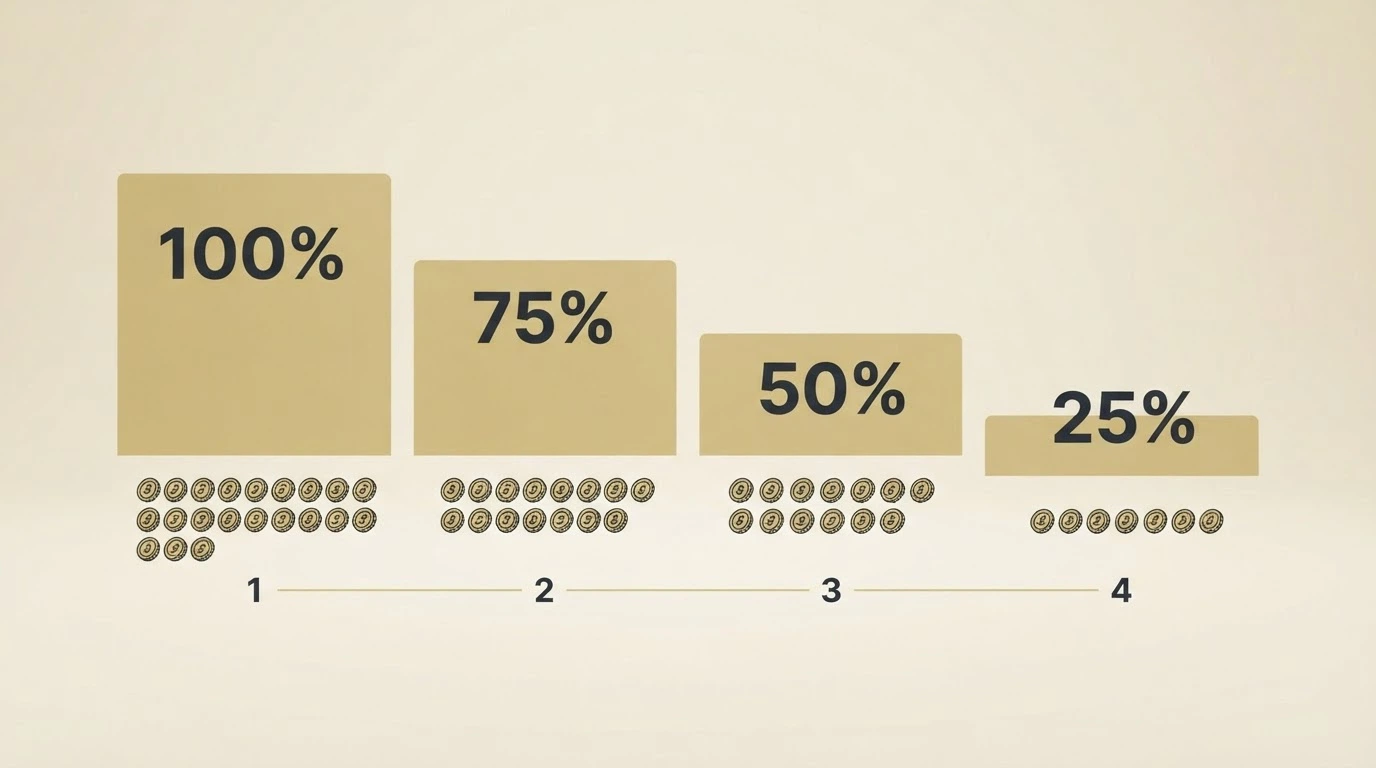
The number an Australian player actually has to clear is different. Wagering requirements at offshore live casinos usually fall between 30x and 40x. A A$1,000 bonus at 40x means A$40,000 in turnover before any of the bonus becomes withdrawable. At A$7.50 per spin on the max bet, that is roughly 5,333 spins; at 5 seconds per spin, it is roughly 7.4 hours of continuous play.
But that figure assumes the player is wagering on games that count. Live dealer contributes 0–10% to wagering at most Australian-facing sites, mostly excluded. Pokies contribute 100%, table games 5–10%. The bonus is marketed to live-dealer players. The wagering has to be cleared on the games that count. The two facts do not match.
The bonus-cost calculation is a useful way to put a number on the trade-off. The A$8,000 SkyCrown bonus, cleared entirely at A$0.50 minimum stakes with 5 seconds per spin and 40x wagering on the bonus, comes to roughly 889 hours of continuous play — a statistical estimate, not a realistic playthrough, given that live dealer contributes 0–10% to wagering and the bonus would have to be cleared in pokies rather than at the live tables the player came for.
The honest read: the multi-deposit headline figure is a marketing word, the first-deposit figure is the offer, and the wagering contribution rule is what makes the difference between clearing the bonus in a month and never clearing it.
No deposit bonuses: small credits, big wagering strings
No-deposit bonuses at Australian-facing offshore sites typically run from A$5 to A$25 in bonus credits, or up to 50 free spins. The no-deposit offers a player sees advertised are the smallest bonuses on the casino’s roster, and they exist to let the casino see how the player bets before committing a deposit bonus.
The wagering on no-deposit offers is heavier than on deposit bonuses — typically 40x on the bonus amount, with maximum cashout caps around A$20 to A$50 on the credit and a separate cap on free-spin winnings. The credit is not a free amount; it is a small amount of bonus money tied to a heavier-than-average wagering requirement.
The live-dealer contribution problem is worse here. A no-deposit offer is usually tied to a specific game or game type — a set of free spins on a single pokies title is the most common structure. The player cannot choose to apply the credit to live dealer; the bonus terms do not allow it, and the casino’s compliance team will void any bonus credited in error.
The honest read: a no-deposit bonus is a small amount of bonus money tied to a heavier-than-average wagering requirement, on games a player may not have chosen. The credit is real. The cashout is unlikely.
Cashback and reload offers: the bonus that actually pays on live dealer
Live-casino cashback is the one bonus type that reliably credits live-dealer play. Legiano offers 25% on live tables and 15% weekly cashback across the rest of the library. The structure is simple: the casino returns a percentage of net loss over a defined period, usually weekly, with no wagering requirement on the credited amount.
The difference between cashback and a deposit match is structural. A deposit match pays a percentage of what the player deposited, requires a multiplier to clear, and excludes the games the player came for. Cashback pays a percentage of what the player lost, requires nothing to clear, and applies to the games the player was playing. The marketing department of a casino prefers the deposit match because the multiplier is the part the player does not clear; the player’s wallet prefers the cashback because the credited amount is real money the player can withdraw.
Reload offers sit between the two. A reload is a smaller deposit match — typically 50% to 100% on a subsequent deposit — with the same wagering structure as a welcome. Reloads are useful for the same reason welcome bonuses are useful, which is that the casino offers them and the player would otherwise deposit without one. They are not a different kind of bonus.
The honest read: cashback is the live-dealer-friendly bonus. A regular live-dealer player who plays the same site for months will get more from a 25% cashback rate than from three deposit matches they never clear. The rest of the bonus structure is decoration.
Crypto and anonymous live dealer play: what the payment ban means
Bitcoin live dealer casinos: the platforms that run on crypto
Two of the operators on this page run on a crypto model: Stake, which is crypto-native and does not accept fiat; and Rainbet, which accepts crypto alongside other payment methods. Both run Evolution and Pragmatic Play Live on the live floor. Both are Curaçao-licensed (Stake) or Anjouan-licensed (Rainbet). Neither is licensed in Australia.
The Australian-side reality is that crypto is banned as payment for online wagering, with the Interactive Gambling Amendment (Credit and Other Measures) Act 2023 commencing on 11 June 2024. The penalty for an Australian-licensed operator failing to enforce the rule is up to A$247,500 — but the operators on this page are offshore, and the ACMA cannot enforce Australian payment law against a Curaçao-licensed brand. What the ACMA can do is block the site, and what an Australian bank can do, from 1 January 2027, is block the transaction.
A site that asks for Bitcoin or Ethereum is therefore operating outside Australian rules. The payment method itself is the tell — credit cards and crypto are banned, a site that takes either is unlicensed, and an Australian player depositing crypto has no Australian consumer protection and no Australian payment-method recourse if the site disappears.
Crypto-only vs crypto-accepting: two different propositions
The distinction between a crypto-native platform and a fiat casino that added a Bitcoin deposit button is the distinction between a product built on the rails and a product with a deposit option bolted on. Stake is crypto-native — the cashier runs in Bitcoin, Ethereum, Litecoin and a handful of other coins; the player has no bank account to verify; the withdrawal is a crypto transfer that lands within minutes.
A fiat-accepting offshore casino with a Bitcoin option is a different product. The player can deposit in fiat, the casino still runs KYC at withdrawal, and the crypto option is a payment-method choice rather than an account structure. The crypto-only platform is faster and more anonymous at the cashier; the crypto-accepting platform is closer to the rest of the set with one extra option.
The KYC difference is real. A crypto-only platform like Stake will verify the player’s identity on large withdrawals or at the operator’s discretion, but the account structure is built around the crypto balance. A fiat-accepting platform will verify the player at the deposit stage, because the payment rail requires it. The withdrawal speed difference is real too — crypto transfers settle in minutes, fiat withdrawals take days, and the difference is the part the marketing emphasises.
The honest read: a player who wants the fastest withdrawal and the most anonymous account structure picks a crypto-native platform. A player who wants the fiat payment methods they recognise picks a fiat-accepting one. The two are not interchangeable.
The payment ban and what it means for an Australian player
The 11 June 2024 ban on credit cards, credit-related products and digital currency as payment for online wagering is the litmus test for whether a site is operating inside or outside Australian rules. An Australian-licensed wagering operator cannot accept a credit card, cannot accept a credit-related product, and cannot accept a crypto payment. The penalty for non-enforcement is up to A$247,500.
An offshore live-dealer site that asks for any of those three is therefore breaking the prohibition itself. The 11 June 2024 ban does not apply to offshore operators directly — the ACMA cannot enforce Australian payment law against a Curaçao-licensed brand — but the ban is the structural reason the ACMA can block the site, and the structural reason an Australian bank’s transaction-monitoring system flags the deposit.
From 1 January 2027, banks and payment providers gain express authority to block transactions to illegal gambling operators. The transaction will not go through. The deposit will not arrive. The site will not be reachable from Australia on that payment rail. The 2027 reform is the structural moment when the offshore site’s payment-method advantage disappears — and the site has to fall back on either finding new rails or accepting the Australian player has no legal way in.
The legal Australian deposit routes for licensed wagering are debit card, bank transfer, PayID/Osko and BPAY. None of those routes serve the offshore sites on this page. The Australian player who deposits with a credit card or crypto has used a payment method that an Australian bank would refuse, an Australian regulator has banned, and an offshore site has accepted because the site is operating outside Australian rules.
The legal reality: online casino is prohibited in Australia
The Interactive Gambling Act: what it prohibits and what it does not
The Interactive Gambling Act 2001 draws a line between wagering and casino, and online casino is on the wrong side of it. The act prohibits online casino games, online pokies and in-play sports betting. It has never issued a licence for any of those three — no federal licence, no state licence, no territory licence.
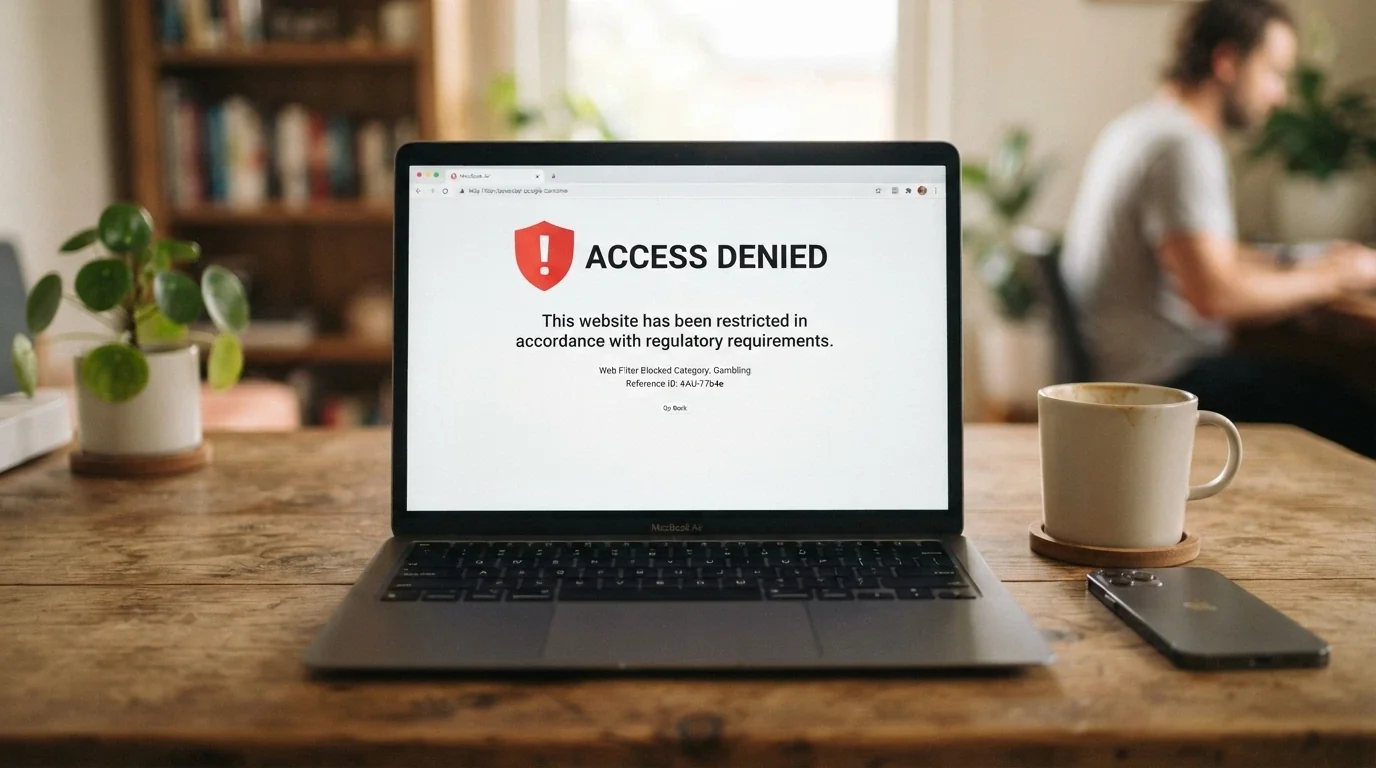
What the act does allow is wagering on races and sports placed before the event begins, plus lotteries and keno, through operators licensed by a state or territory. The Northern Territory Racing and Wagering Commission (NTRWC), operating through Licensing NT, is the de facto national licensor for online bookmakers. Sportsbet, bet365, Ladbrokes, TAB, TABtouch, Neds, PointsBet, Betr, Picklebet and Betfair all hold NT licences. None of them offer live dealer casino games. The licence they hold is for wagering, and wagering is the product they sell.
The minimum age for any commercial gambling activity in Australia is 18. The licensed operators verify age at the account-opening stage, which is the structural reason an 18-year-old Australian has more access to an offshore live-dealer site than a domestic licensed one for casino play — the licensed operator cannot legally offer the product, the offshore operator can and does, and the 18-year-old with a credit card or crypto wallet can reach the offshore site with no age check at all.
The honest read: the IGA prohibition is not a grey area. Online casino is banned in terms. Every operator on this page is unlicensed in Australia. The legal route to live dealer in this country does not exist.
The ACMA and its enforcement powers: site blocking, penalties and withdrawals
The Australian Communications and Media Authority is the federal regulator that enforces the online prohibition. The ACMA investigates complaints, issues formal warnings, runs civil penalty proceedings and directs Australian ISPs to block illegal sites. Since the first blocking request in November 2019, the ACMA has had 1,564 illegal gambling and affiliate websites blocked. Since 2017, more than 225 illegal services have withdrawn from the Australian market voluntarily — partly under pressure, partly because the market has become more expensive to serve.
The civil penalties are substantial. The ACMA can pursue up to A$2,475,000 per day for an individual providing a prohibited interactive gambling service and up to A$12,375,000 per day for a corporation. The penalties are per day, not per offence — which is the structural reason the ACMA can run a small operator off the Australian market entirely in a matter of months.
The recent enforcement record is concrete. On 16 January 2026 the ACMA issued eight infringement notices to Tabcorp, each for A$19,800, totalling A$158,400. Tabcorp is one of Australia’s largest wagering operators — the kind of brand that can absorb the penalty and the kind of brand that the ACMA uses as a visible enforcement signal. The smaller operators do not get the warning.
What an Australian player takes from the enforcement record is the trajectory. The ACMA has been blocking sites for six years, with the blocking rate accelerating, and the reform that commences on 1 January 2027 adds bank payment-blocking powers on top. The structural pressure on the offshore set is increasing, not decreasing.
The 2026 advertising reform and what changes
The Interactive Gambling Amendment (Gambling Reform) Bill 2026 passed Parliament on 19 August 2026 and commences 1 January 2027. It is the most significant change to Australian gambling advertising since the 2017 amendment that gave the ACMA its blocking powers.
The reform introduces a four-phase advertising prohibition. Phase 1 bans wagering advertising during children’s programming. Phase 2 bans ads during live sport — from 15 minutes before the event to 5 minutes after. Phase 3 restricts broadcast wagering ads to before 6 am and after 10 pm. Phase 4 implements the full prohibition.
The reform also introduces an inducement prohibition. Direct marketing of inducements is banned for 14 days after account sign-up, for 3 months after a player deregisters from BetStop, and indefinitely for customers identified as at risk of gambling harm. AdStop — a national wagering advertising opt-out register — is administered by the ACMA and funded by a cost-recovery levy on licensed operators.
Athletes, celebrities and influencers are barred from promoting wagering products. Broadcasting of sporting odds is banned outright. From 1 January 2027, banks and payment providers gain express authority to block transactions to illegal gambling operators.
The reform targets Australian-licensed wagering operators. It does not bind the offshore casinos on this page — a Curaçao-licensed brand is not subject to Australian advertising law, and the inducement cooling-off periods do not apply to a welcome bonus at an offshore site. What the reform does is further isolate the offshore set from the Australian market. The structural pressure on offshore live-dealer brands — already shaped by site blocking and credit-card/crypto bans — now includes the possibility that an Australian bank’s transaction-monitoring system will not let the deposit go through at all.
Playing safely: where to get help and what offshore casinos will not give you
Self-exclusion: BetStop and its limits
BetStop is the National Self-Exclusion Register. It launched on 21 August 2023, and one registration excludes a person from every Australian-licensed online and phone wagering service in the country. As at 31 July 2026, 67,480 people had registered; 41,290 of those exclusions were still active — more than 60% of everyone who ever signed up. 78% of registrants were under 40, and 38% chose a lifetime exclusion.
The effectiveness data is real. Around 77% of BetStop registrants experience better overall quality of life; 79% experienced improved mental health; 69% reported better personal relationships. BetStop is a working tool, and the data on its working is the strongest argument for its expansion.
The expansion is not coming. BetStop binds Australian-licensed wagering services only. An offshore casino is not connected to the register. A person who has registered with BetStop can still deposit and play at every operator on this page, because the offshore site has no obligation to check the register and no mechanism to do so even if it wanted to. BetStop does not reach credit-card or crypto payments to offshore sites, which is the structural reason an Australian player who has self-excluded from Australian wagering can still reach the offshore set.
The honest read: BetStop is the strongest self-exclusion tool Australia has built, and it stops at the border. A person who has decided to stop gambling needs to know that registering with BetStop closes the licensed door and leaves the offshore door open. Closing the offshore door is a separate decision that requires separate action.
How to get help and set your own limits
The National Gambling Helpline is 1800 858 858 — free, confidential, staffed 24 hours a day, seven days a week. Online chat and counselling is available through Gambling Help Online. The line covers all gambling concerns, including the harm a person may experience from a family member’s gambling.
The help-seeking data tells the reader where Australians actually turn. 37.9% of people affected by gambling harm call a helpline. 35.8% browse gambling help websites. 30.5% seek help from family or friends. 27.4% go to a doctor, psychologist or counsellor. 26.3% enrol in self-exclusion. The numbers add up to more than 100% because people use multiple routes — and the gap between “affected” and “help-seeking” is the gap the helpline is built to close.
The harm data behind the helpline is real. ANU’s 2025 study found that risky gambling in Australia rose to 19.4% in 2025, up from 13.7% in 2024 — a five-point increase in twelve months, and almost double the rate during the COVID-19 lockdowns of 2020–2021. Problem gambling sits at 0.7%–1.0% of adults, but the broader category of “directly affected by gambling harm” runs at about 14 per 100 adults. 5.9% of adults reported being harmed by another person’s gambling in the past 12 months. Fewer than 8% of those affected others contact general practice for gambling-related concerns.
The first step is the helpline. The second step is the deposit-limit tool on a licensed account. The third step is the activity statement an Australian-licensed operator will send on request. None of those tools are available on an offshore site — which is the structural reason an Australian player who has decided to set limits is better off closing the offshore account than trying to manage it from inside.
The honest read: the help infrastructure Australia has built is real and effective. It does not reach the offshore live-dealer sites on this page. A reader who needs help is better served by calling the helpline than by reading further.
How we evaluated every live dealer casino on this page
Four inputs shaped the ranking above: AU market share from the operators data research drew on; the headline value and the fair-print value of the welcome offer; the wagering multiplier and the live-dealer contribution rule that determines whether a player can actually clear the bonus on the games they came for; and the depth of the live-dealer floor, measured by provider count and table volume.
The sources checked against were the ACMA’s published whitelist and blocking register, the licence registers in Curaçao and Anjouan, and the operator terms pages for each of the ten brands ranked. The legal backbone comes from the Interactive Gambling Act 2001, the Interactive Gambling Amendment Act 2017, the Interactive Gambling Amendment (Credit and Other Measures) Act 2023, and the Interactive Gambling Amendment (Gambling Reform) Bill 2026.
What the ranking does not measure is payout speed, customer-support responsiveness, the actual withdrawal experience of Australian players at these brands, or the dispute-resolution record of the Curaçao and Anjouan licence frameworks. Those are the dimensions a reader most wants to know and the ones research was not able to confirm this round. Where the offer or the provider list is not documented in enough detail, the table and the operator write-up carry an em dash rather than a guessed value.
The ranking is also not a recommendation. Every brand on the list is offshore and unlicensed in Australia. A reader who signs up with one of them has accepted that fact, the risks this page lays out, and the absence of Australian consumer protection that follows. The ranking orders the brands by the criteria above; it does not endorse any of them as a place to play.
What to actually do about live dealer play in 2026
Live dealer is a real product Australians want, and offshore sites are the only place to find it. That is the entire shape of the decision an Australian player faces in 2026 — there is no licensed Australian alternative to live-dealer casino, and the offshore set exists because the product is banned here and the demand is not.
Three things to check before signing up with any operator on this page:
- The licence jurisdiction — Curaçao and Anjouan are the two the offshore set uses, and the licence number is verifiable on the operator’s terms page.
- The live-dealer wagering contribution rate — a 0% or 5% rate means the welcome bonus cannot be cleared on the games the player came for, and the bonus is decoration rather than value.
- The withdrawal terms — minimum withdrawal amount, KYC requirements at withdrawal, fee structure, and the timeline the operator commits to in writing.
The safety net an Australian player does not have on an offshore site is concrete. BetStop does not reach offshore casinos. The ACMA does not mediate disputes with offshore operators. No Australian ombudsman covers unlicensed gambling. The site can be blocked by the ACMA at any time, with funds still on the account. From 1 January 2027, the Australian bank may refuse the deposit outright. The operator’s own terms page is the only contract an Australian player has, and the operator chose the terms.
The helpline if gambling stops being entertainment is 1800 858 858, free and confidential, 24/7. Online chat is available through Gambling Help Online. The line covers harm from the player’s own gambling and harm from a family member’s. It is the one Australian gambling service that the offshore set cannot reach, because it is not a gambling service. It is the help.
Frequently asked questions about live dealer casinos in Australia
Does BetStop stop me from playing at an offshore live dealer casino?
No. BetStop binds Australian-licensed wagering services only. Offshore casinos are not connected to the register and will keep accepting a self-excluded person’s money. A person who has registered with BetStop can still deposit and play at every operator on this page, because the offshore site has no obligation to check the register.
Is online live dealer casino legal in Australia?
Online casino games, including live dealer, are prohibited under the Interactive Gambling Act 2001. No Australian licence for online casino exists. Australians who play at offshore sites are not prosecuted, but the ACMA has blocked 1,564 such sites since 2019 and the activity carries no Australian consumer protection.
What is the difference between a live dealer casino and a regular online casino?
A live dealer casino streams a real person dealing real cards or spinning a real wheel from a studio, with bets placed against the house in real time. A regular online casino runs games on a random number generator, with no human on the other end. Live dealer carries higher minimum stakes and a slower pace.
Can I play live dealer casino games on my mobile phone in Australia?
Yes. Every reviewed platform runs in a mobile browser without an app install. The HD stream scales to a phone screen, bet placement is touch-based, and the experience holds up on a stable 4G or 5G connection. Slower networks will buffer the stream and close the bet window.
Are live dealer casino bonuses worth claiming, and what are the typical wagering requirements?
Most welcome bonuses at offshore sites carry 30x–40x wagering and exclude live dealer from contribution. Pokies contribute 100% of each spin to the requirement; live dealer contributes 0–10% and often nothing. The headline bonus is paid in real money; the time-cost of clearing it rarely is.
What happens if an offshore casino refuses to pay my winnings — can I get help from Australian authorities?
The ACMA does not mediate disputes with offshore operators, and there is no Australian ombudsman for unlicensed gambling. The Curaçao and Anjouan licence frameworks have complaints processes, but they are slow and not designed for Australian consumers. A player with a withheld withdrawal has limited practical recourse.
Does BetStop self-exclusion apply to offshore live dealer casinos?
No. BetStop binds Australian-licensed wagering services only. Offshore casinos are not connected to the register. A person who has registered with BetStop can still deposit and play at every operator on this page. BetStop also does not reach credit-card or crypto payments to offshore sites.
Which live dealer game providers are most popular at Australian-facing casinos?
Evolution Gaming powers roughly 85% of live dealer tables at Australian-facing platforms, with Pragmatic Play Live as the second force. Niche providers — Ezugi, Playtech, BetGames, WinFinity, ICONIC21, Beterlive and RealTime Gaming — round out the long tail. Bizzo Casino hosts around 600 games from eight providers.
Can I use crypto or a credit card to deposit at a live dealer casino in Australia?
Both are banned as payment for online wagering in Australia from 11 June 2024. A site that accepts credit card or crypto is therefore operating outside Australian rules — the payment method itself is the tell. Legal Australian deposit routes are debit card, PayID/Osko, BPAY and bank transfer.
What is the National Gambling Helpline number in Australia?
The National Gambling Helpline is 1800 858 858, free, confidential and staffed 24 hours a day, seven days a week. Online chat and counselling is available through Gambling Help Online. The line covers all gambling concerns, including harm from a family member’s gambling.
Will the gambling advertising reform affect live dealer casino bonuses?
The reform that passed Parliament in August 2026 targets Australian-licensed wagering operators and commences 1 January of the following year. Offshore casinos are not bound by it; the inducement cooling-off periods, AdStop register and bank payment-blocking powers do not change the welcome bonus an offshore site offers an Australian player.