
Best Online Casino Payment Methods for Aussies: A Practical Guide to Speed, Fees and the Law Behind the Cashier
 Available in AU
Last updated: 18 October 2026 · Reviewed against the ACMA register and the Northern Territory Racing and Wagering Commission licence list

The deposit button is the first thing a casino asks for, and the question it asks is bigger than money. When a site accepts credit cards or crypto for a “casino” product aimed at Australians, it has already told you where it sits. The choice of payment method is also a choice of regulatory regime: licensed wagering, where consumer protections apply and payment rails are dictated by Canberra, or offshore, where everything works and nothing is guaranteed. This guide ranks the payment rails Australians actually use today against what each one costs in speed, in fees and in recourse if a withdrawal goes wrong.
Table of Contents
- What Counts as a Casino Payment Method — and Why It Matters More Than You Think
- Your Payment Method Is a Regulatory Signal: What Australian Law Actually Says
- Every Payment Method Australians Use at Online Casinos in 2026
- Why Your Withdrawal Speed Depends on More Than Just the Method
- The Australian Crypto-to-Casino Route: Your Money’s Full Journey
- Paying on Mobile: What Apple Pay, Google Pay and Phone Billing Actually Deliver
- How Safe Is Your Casino Payment? Security, KYC and the Processing Stack Behind It
- Top Payment Methods by Operator: Who Accepts What in 2026
- Responsible Gambling: The Payment Controls That Actually Work for Australians
- How We Evaluated Payment Methods for This Guide
- Your Money, Your Move: What to Pick and What to Skip
- Frequently Asked Questions
What Counts as a Casino Payment Method — and Why It Matters More Than You Think
A payment method, for the purposes of an Australian-facing casino, is any rail that moves money from an Australian bank account, card or wallet into a casino balance, or brings winnings back the other direction. That narrower definition matters because the term gets used loosely. Bonus credit from a free spins offer is not a payment method. A comp-point balance redeemable for cash is not a payment method. A “promo balance” sitting inside a casino account is not a payment method either, because none of those can be deposited into or withdrawn from in the way rails can.
The thing a casino asks for at the cashier is a funding rail. A funding rail touches a real-world store of value: a bank account reachable via PayID, a debit card on the Visa or Mastercard network, an e-wallet pre-loaded with funds, a prepaid voucher bought with cash, or a cryptocurrency held in a wallet. The rail is separate from whatever happens inside the casino account after deposit. That distinction is the reason comp points and bonus credit never appear in any comparison on this page — they cannot move money in or out.
Fees, speed and caps are the three numbers that determine which method suits which player, and each one matters differently depending on what the player is doing. Someone depositing A$30 to play ten spins of a pokie cares about how quickly the balance is live and whether the deposit cost anything. Someone withdrawing A$8,000 in winnings cares about caps, fees and whether the cashout hits the bank before the rent is due. The data below splits those apart.
PayID clears in under 30 seconds any day of the week, including weekends and public holidays, because it runs over the New Payments Platform. E-wallets sit between same-day and 48 hours on the way out. Bank transfers are the slowest of the regular rails at 5–7 business days. Card withdrawals land in 3–5 business days at every operator measured. Crypto is the speed outlier: offshore casinos often process USDT TRC-20 withdrawals in under 15 minutes, provided the on-chain transfer clears.
Speed and size are a trade-off. PayID is the fastest deposit on the AU side but is capped at roughly AU$4,000 per casino per day for withdrawals. BPAY clears slowly but some banks allow more than AU$20,000 per payment, which is the rail for high-volume deposits where PayID’s limits are too tight. Crypto carries no native AU ceiling, but the exchange you bought it on charges 0.5–1% per purchase, and the network fee is on top.
The asymmetry between deposit and withdrawal rails catches players out more often than anything else on this page. A method that took the deposit cleanly may have no withdrawal version at all. Neosurf is deposit-only — the voucher is consumed on the way in and there is no way to refund it. BPAY is deposit-only for the same reason. CashtoCode works only on the deposit side, capped at around AU$800 per voucher. Apple Pay and Google Pay are instant on the way in but reroute withdrawals through the linked card or the bank account the card was originally funded from. PayID is the rare rail that handles both directions: under 30 seconds to deposit, hours (not days) to withdraw after operator checks.
That last fact — does the method take money back out the same way it took money in — is the single most useful filter when choosing a rail. Every other comparison on this page sits downstream of it.
Your Payment Method Is a Regulatory Signal: What Australian Law Actually Says
The Interactive Gambling Act 2001 makes it an offence to provide online casino games, online pokies or in-play betting to a person in Australia. There is no licence for any of these products anywhere in the country, federally or in any state or territory. What the five “licensed wagering” operators on this page hold is a licence for sports and racing wagering placed before an event — that product is legal, with payment rails and consumer protections attached. Online casino, in the same app, is a separate product and a separate legal situation entirely.

Credit cards, credit-related products and digital currency have been banned as payment for online wagering since 11 June 2024, under the Interactive Gambling Amendment (Credit and Other Measures) Act 2023. Companies that fail to enforce the ban face fines of up to A$247,500 per breach. The legal deposit routes for licensed Australian wagering are debit card, bank transfer, PayID/Osko and BPAY. Apple Pay and Google Pay are accepted at licensed operators because they fund a debit card underneath. PayPal is accepted at licensed wagering operators for the same reason — it sits on top of a bank or card.
That last point is the signal. A gambling site asking for credit card or cryptocurrency is being served from outside Australian rules. The payment method is itself a tell, and the rest of the cashier is downstream of it.
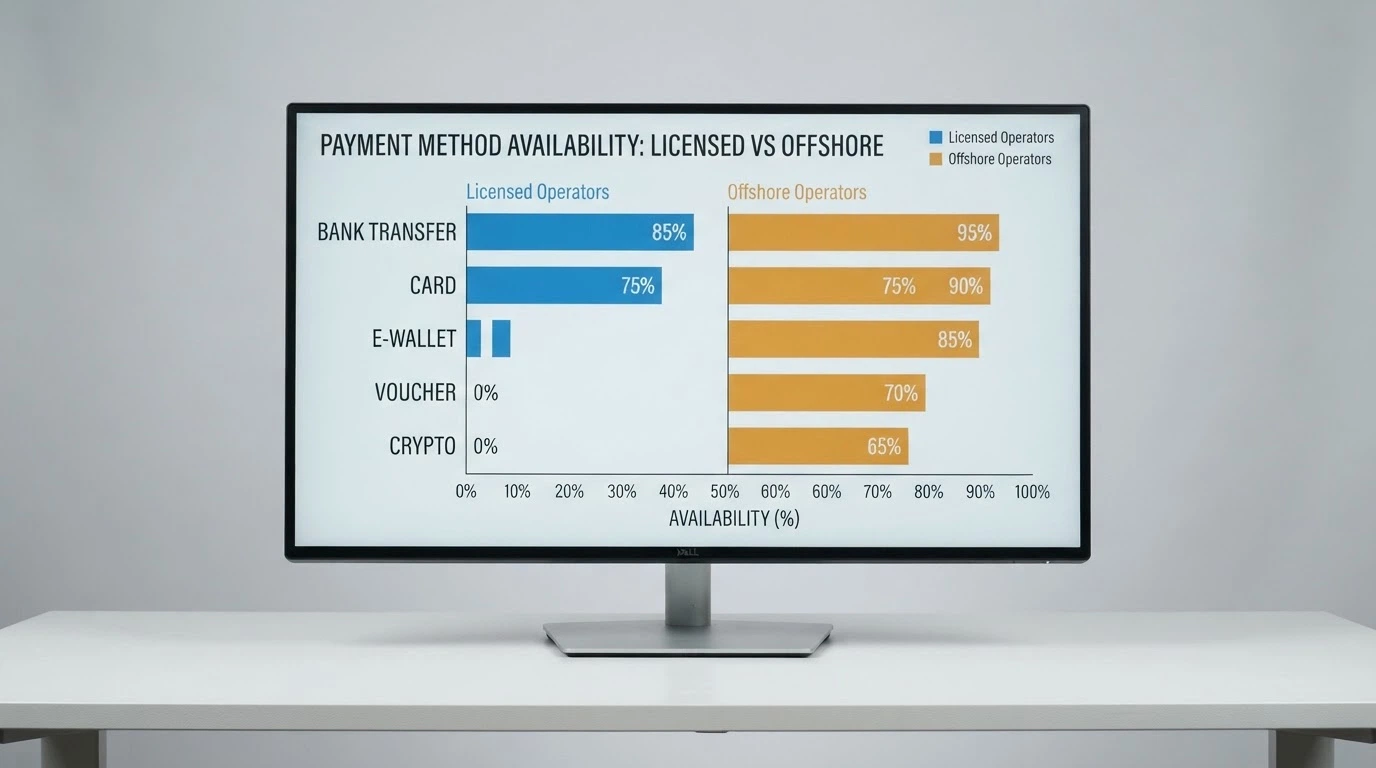
Offshore casinos accept every rail the licensed market refuses, plus the legal ones as well. Cards, e-wallets, vouchers, PayID, bank transfer and cryptocurrency are all available offshore, because the operator sits outside the Interactive Gambling Act and outside its 2024 amendment. The cost the player pays for that wider menu is not at the cashier — the operator processes the deposit fine — it is afterwards, when a withdrawal dispute has no Australian court to hear it, no ACMA complaint to file, and no BetStop deregistration the offshore site is required to honour.
The Australian Communications and Media Authority has had 1,564 illegal gambling and affiliate websites blocked by Australian ISPs since November 2019, and more than 225 illegal services have withdrawn from the market since enforcement was strengthened in 2017. From 1 January 2027, banks and payment providers gain express authority to block transactions to illegal gambling operators under the 2026 Gambling Reform Bill, which passed Parliament on 19 August 2026. That is law with a start date — not yet binding, but signed. A deposit that lands today may not land next year, and an offshore operator with no exit plan is its own warning.
The individual player is not prosecuted. The IGA targets the provider. But a blocked site can hold a balance, void wins or change its terms between deposit and withdrawal, and the player has zero Australian recourse when that happens.
Every Payment Method Australians Use at Online Casinos in 2026
The table below covers every rail an Australian-facing player is likely to meet at a cashier, whether the destination is a licensed wagering operator or an offshore casino. Use it as the map, then read the method-by-method sections beneath for what each row means in practice.
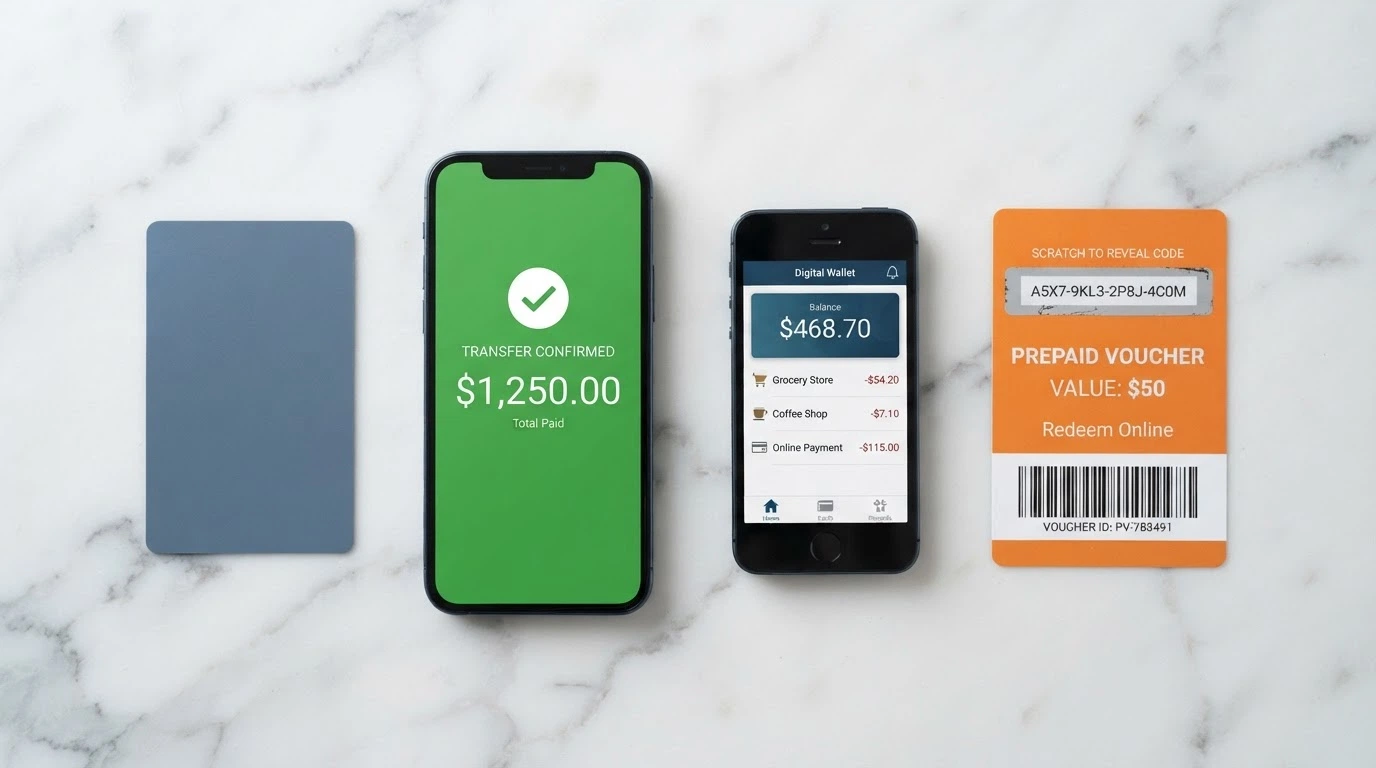
| Method | Deposit Speed | Withdrawal Speed | Typical Fee | Two-Way (Deposit + Withdrawal) | Regulatory Signal | Best For |
|---|---|---|---|---|---|---|
| PayID / Osko | Under 30 seconds, any day | Hours to 24 hours after operator checks | None on most banks | Yes, both directions | Licensed wagering and some offshore casinos | Players who want the same rail for both directions and speed on both ends |
| Visa / Mastercard debit | Instant | 3–5 business days | None typically, but card KYC adds time | Yes, both directions | Legal at licensed wagering; offshore accepts credit cards the licensed market refuses | Players who already have a debit card in hand |
| Apple Pay | Instant | Rerouted to linked card or bank transfer (3–5 business days) | None | No — deposit rail only on the way in | Accepted at licensed wagering only when linked to a debit card | iPhone users depositing only |
| Google Pay | Instant | Rerouted to linked card or bank transfer (3–5 business days) | None | No — deposit rail only on the way in | Accepted at licensed wagering only when linked to a debit card | Android users depositing only |
| PayPal | Instant | Same-day to 24 hours at most licensed operators | None on the cashier side; conversion fee if currency differs | Yes, both directions | Licensed wagering operators only | Players who already use PayPal for daily spending |
| Skrill / Neteller | Instant | Same-day to 48 hours | Operator and e-wallet fees vary | Yes, both directions | Offshore casinos mostly; some licensed wagering accepts Skrill | Players who want to hide their bank details from the casino |
| MiFinity | Instant | Instant at offshore operators (e.g. RocketPlay) | E-wallet fees on FX | Yes, both directions | Offshore casinos almost exclusively | Offshore players who want faster crypto-style withdrawal speed without using crypto |
| Bank transfer | 1–3 business days to clear | 5–7 business days | Bank fees rare; operator fees rare | Yes, both directions | Licensed and offshore | High-volume withdrawals where the cap matches the rail |
| BPAY | Up to 72 hours, business days only | Not supported for withdrawal at most operators | Bank fees rare | No — deposit-only | Licensed wagering only | High-volume deposits over A$20,000 where speed is irrelevant |
| Neosurf (prepaid voucher) | Instant | Not supported for withdrawal | None at the cashier | No — deposit-only | Offshore casinos mostly | Players who want to deposit without sharing bank details |
| CashtoCode | Instant | Not supported for withdrawal | None at the cashier | No — deposit-only | Offshore casinos mostly | Players who want to convert cash to a casino balance |
| Cryptocurrency (USDT TRC-20, BTC, ETH, LTC, DOGE, BCH, XRP, TRX) | Near-instant after network confirmation; USDT TRC-20 fastest | Often under 15 minutes from operator processing; Bitcoin confirmations 10–60 minutes | Exchange purchase 0.5–1%, network fee per transfer | Yes, both directions | Offshore casinos only; banned at licensed wagering since 11 June 2024 | Players who have weighed the regulatory signal and want fast withdrawals or pseudonymity |
Debit cards: Visa and Mastercard at the casino cashier
Visa and Mastercard debit is the most familiar rail at the cashier and the one with the widest gap between how fast it takes money in and how slowly it gives money back. Deposits at offshore casinos and at licensed wagering operators are typically instant — the balance updates the moment the authorisation clears. Withdrawals are a different story: 3–5 business days at every operator measured, with an extra round of KYC tied specifically to the card, on top of any account-level identity checks.
That asymmetry is structural, not a bug. Every debit card withdrawal goes through the original merchant’s acquiring bank and back to the issuing bank, both of which sit on bank-business-day clocks. The casino has no way to push it faster. The extra KYC happens because cards are the highest-risk rail for chargebacks and fraud, so operators verify the card belongs to the account holder before they release funds.
Credit cards are a different rail in the Australian market, and the difference is legal. Credit cards and credit-related products are banned as payment for online wagering in Australia, effective 11 June 2024. The ban applies to licensed wagering. Offshore casinos still accept credit cards because they sit outside the regime — and a credit card option is itself a signal that the operator is not part of Australian law. A site that asks for credit card rather than debit card is one that is signalling exactly the regulatory position this guide has been describing.
For players who already have a debit card in hand, the rail is fine for deposits. For withdrawals, it is the slowest direction that still counts as a same-method cashout.
PayID and Osko: Australia’s fastest bank-to-casino rail
PayID is the rail that changed the deposit story for Australian online gambling. It runs on the New Payments Platform under the Osko overlay, and it clears in under 30 seconds any day of the week, including weekends and bank holidays. Deposits are essentially the same speed as pulling up your own banking app; the casino balance updates within a minute.
The bigger story is two-way support. PayID handles both deposit and withdrawal directions, which is rare for AU-facing rails. Most players used to fund via POLi before ANZ decommissioned it on 30 September 2023; POLi was deposit-only, so anyone depositing via POLi had to provide a separate bank account or e-wallet for the cashout. PayID solved that. Same PayID handles both sides, with no separate rail to set up for withdrawals.
Typical PayID limits sit at AU$30 minimum deposit and AU$4,000 daily withdrawal per casino, with casino-by-casino variation. Royal Reels accepts PayID deposits from as low as A$10 — one of the lowest entry points in the AU-facing offshore set — and tests a PayID withdrawal at 4 hours 12 minutes on a weekday after operator checks. At the licensed wagering operators, PayID is universal: every NT-licensed bookie on this page supports it, the deposit is instant, and the same-day-to-24-hour withdrawal window applies.
PayID’s limitation is ceiling size. A daily cap of AU$4,000 is fine for most cashouts but tight for a player withdrawing a big multi-leg win. For larger withdrawals the answer is BPAY on the way in (some banks allow more than AU$20,000 per payment) and bank transfer on the way out.
E-wallets: PayPal, Skrill, Neteller and MiFinity compared
E-wallets are the digital middle layer between a bank account and the casino. The user funds the wallet from a bank or card, and the casino sees only the wallet. That detail is more useful than it sounds: the player is not handing bank details to a foreign operator, and chargebacks route through the wallet’s dispute process rather than directly to the issuing bank.
PayPal is the wallet Australian players know best, and the licensed wagering operators on this page — Sportsbet, bet365 and Ladbrokes — support it. Deposits at those operators are instant and withdrawals are typically same-day to 24 hours. PayPal is not a fixture at offshore casinos, because the wallet’s restricted-gambling policy narrows what an offshore operator can offer through it.
Skrill and Neteller are the offshore set’s workhorses. Both are accepted at most offshore operators and offer same-day to 48-hour withdrawals, with the bonus that bank details never leave the e-wallet provider. MiFinity is the rising AU-facing option, available at Skycrown and RocketPlay, with crypto-style instant withdrawals on the casino side while keeping the bookkeeping in fiat.
The cost of an e-wallet is on top: Skrill and Neteller charge inactivity fees if the wallet is dormant, and PayPal charges a currency conversion fee when the wallet currency differs from the casino account currency. For an AUD account at an AUD casino, the fee is zero on the cashier side.
Bank transfer, BPAY and prepaid vouchers: the non-instant options
Bank transfer, BPAY, Neosurf and CashtoCode make up the slower side of the cashier. They are appearance rails — each has its place — but the place is not “fast” if speed matters.
Bank transfers take 5–7 business days on the way out at most operators, regardless of whether the operator is licensed or offshore. They are the rail of last resort on the withdrawal side, used when other methods have been exhausted or when the player is moving money the operator has decided cannot go via any other route. Caps are higher on bank transfer than on PayID, which is what makes them useful for very large withdrawals.
BPAY processes on bank business days only (so deposits and credits can stretch to up to 72 hours), and most banks allow more than AU$20,000 per BPAY payment — which makes BPAY the right rail for high-volume deposits where PayID’s AU$4,000 daily ceiling is too tight. Crucially, BPAY is deposit-only at almost every operator; players who fund via BPAY withdraw via bank transfer or PayPal or card.
Neosurf prepaid vouchers are deposit-only and have no withdrawal option. The voucher is bought with cash or from a retailer and consumed on deposit; the casino has no refund rail. A player who deposits via Neosurf typically receives winnings through bank transfer. CashtoCode works similarly — instant on deposit, capped around AU$800 per voucher, deposit-only. Both are popular with players who want to deposit without sharing bank details with an offshore operator.
Why Your Withdrawal Speed Depends on More Than Just the Method
Operator pending time is the single most underestimated variable in withdrawal speed. The rail sets the floor — PayID is faster than bank transfer on paper, crypto is faster than both — but the casino’s internal pending queue often sits in front of the rail. A 72-hour pending time at Skycrown, for example, sits ahead of any e-wallet, card or bank transfer the player has chosen; the withdrawal is not “in transit” during those 72 hours, it is being reviewed by the operator’s payments team. KYC checks, source-of-funds reviews and bonus-wagering verification all happen in that window, and those windows can be longer for first withdrawals.

Crypto, where the operator supports it, is what flattens that delay the most. Crypto withdrawals (USDT, LTC) at offshore casinos are usually processed and in the wallet in under 15 minutes — not because crypto is magic, but because the on-chain transfer does not need to clear a bank’s risk queue. The e-wallet set sits in the middle, with same-day to 48 hours. Card and bank transfer are at the back of the queue by themselves: 3–5 business days for cards, 5–7 business days for bank transfers, plus whatever the operator’s pending window adds.
The bonus-cost calculation: what an A$8,000 welcome package actually takes to clear
Skycrown’s headline bonus is a 450% deposit match up to A$8,000 + 400 free spins spread across four deposits, with 40x wagering on both the deposit bonus and free spins winnings. Assume only the bonus amount is wagered and the player is spinning at the A$7.50 max bet the bonus allows. To clear the full A$8,000 match at 40x wagering, the required turnover is A$320,000; at A$7.50 per spin that is about 42,667 spins; at a 5-second interval per spin, that is roughly 59.3 hours of continuous play across the 14-day bonus validity window.
The numbers are a statistical estimate, not a promised outcome. They describe the activity an average clearing scenario assumes, not what any individual spin will pay. The bonus math says one thing: A$8,000 headline, in practice, costs days of play at a capped bet to clear, and the A$7.50 cap prevents a player from catching up quickly with a bigger spin.
Limits, fees and method-linked bonuses in 2026
PayID’s legacy limit is roughly AU$30 minimum deposit and AU$4,000 daily withdrawal per casino. Royal Reels sets a flat A$10,000 weekly withdrawal cap across all methods, including crypto. Skycrown runs a tighter two-tier system: A$7,500 per week and A$45,000 per month, with a 72-hour pending time and a A$20 minimum withdrawal. BPAY on the deposit side goes up to AU$20,000+ per payment at several banks, which is why high-volume deposits use it.
Fees are sparse on the cashier side but real under the hood. Banks do not surcharge PayID or bank transfer at the deposit or withdrawal level; the bank-transfer fees that exist are bank-level and absorbed by most operators. The notable fee is on the crypto purchase leg: 0.5–1% per purchase on Australian exchanges like CoinSpot, Independent Reserve, CoinJar and BTC Markets, on top of any network fee paid into the blockchain.
Method-linked welcome offers are a fact of life at offshore casinos and do not exist at licensed wagering operators. Welcome bonuses and sign-up inducements are prohibited under the National Consumer Protection Framework for licensed wagering — that is why no Licensed section in the operator table below lists a welcome offer shape. Offshore casinos have free rein, and they tie offers to deposit method: RocketPlay activates its 100% up to A$1,000 match at a AU$30 minimum deposit; Skycrown’s 450% package is not available to crypto depositors; Fair Go offers A$50 free chip with an A$180 ceiling on no-deposit offers. The lesson is that the offer shape and the rail are sometimes the same decision.
The Australian Crypto-to-Casino Route: Your Money’s Full Journey
The cleanest crypto route for Australian players in 2026 runs in four legs: Australian bank → Australian exchange (CoinSpot or Independent Reserve) → USDT on TRC-20 → offshore casino wallet. To cash out, the chain reverses: offshore casino wallet → personal wallet → Australian exchange → Australian bank. Each leg is its own transaction with its own delay and its own cost, and the route is the same regardless of which coin or token rides it.
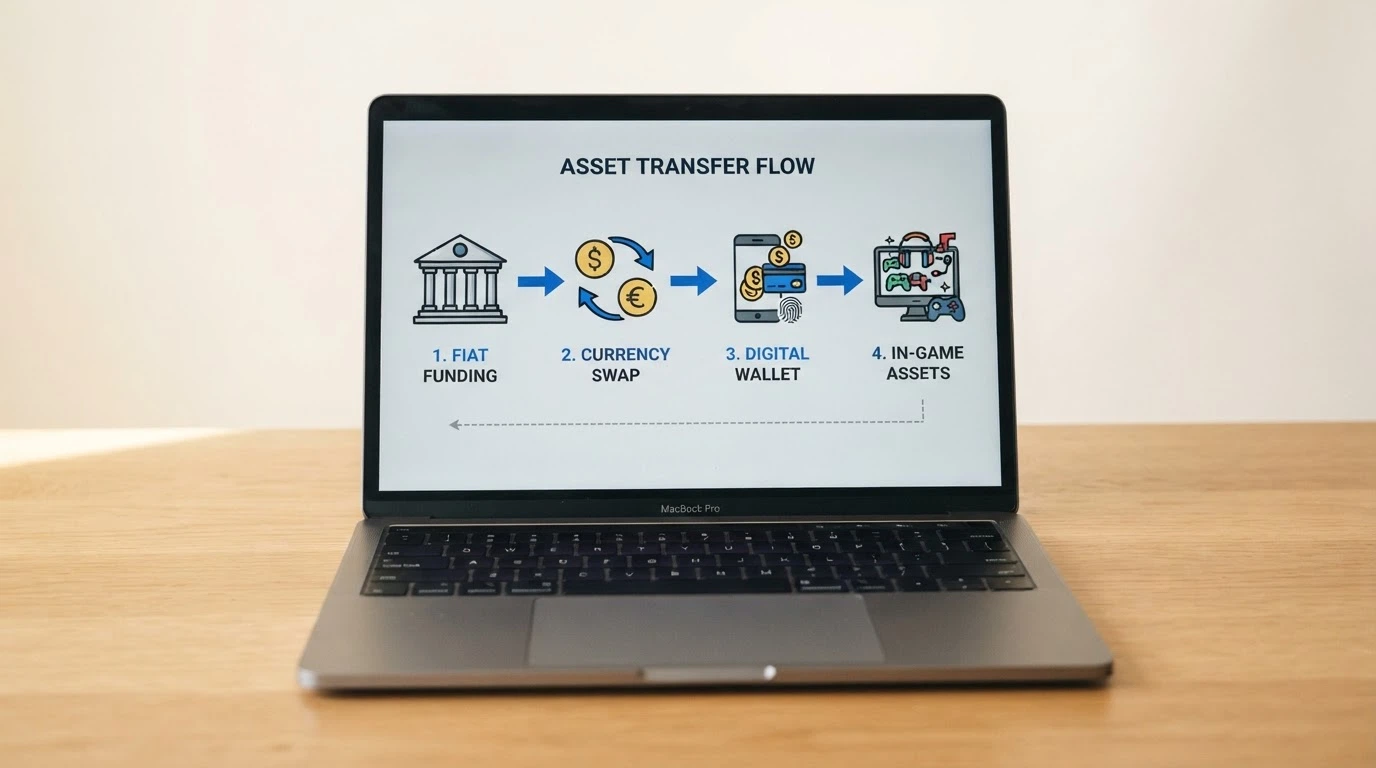
USDT on TRC-20 is the cheapest coin in on-chain fees and the most widely supported at Australian-facing offshore casinos for withdrawal, which is why it dominates the corridor. Bitcoin is the most familiar but its network fees swing higher and confirmation times run 10–60 minutes per transaction, with SegWit addresses speeding things up where the casino or exchange supports them. Ethereum fees spike under load. Litecoin, Dogecoin and Bitcoin Cash are cheaper and faster than Bitcoin on average. Matic and Solana appear at some offshore operators but are not yet the AU-facing standard.
The leg-by-leg cost runs roughly as follows. The exchange charges 0.5–1% per purchase. The on-chain transfer from the exchange to the wallet is the network fee, which on TRC-20 is a fraction of a cent. The casino processing is whatever the operator decides — most process crypto withdrawals instantly once they have approved them, which is where the < 15-minute figure comes from in research. The reverse chain mirrors the deposit chain.
AUSTRAC, the Travel Rule and what it means for your crypto deposit
AUSTRAC’s Travel Rule kicks in at AU$10,000 for crypto transactions — the point at which an Australian exchange is required to pass originator and beneficiary information to the receiving counterparty. For an AU player, that means any single deposit or withdrawal over AU$10,000 triggers reporting between regulated AUSTRAC-registered exchanges. It does not legalise the destination: an offshore casino is still outside Australian rules whether the transaction is A$9,000 or A$90,000. What the threshold does is put the transaction on a record both the exchange and AUSTRAC can see.
The 2026 Gambling Reform Bill adds a second layer: from 1 January 2027, banks and payment providers gain express authority to block transactions to illegal gambling operators. The fiat path closes first; the crypto path follows. A purchase on an Australian exchange is still legal, but moving the proceeds to a known illegal gambling site may be blockable by the financial sector underneath. The risk to a player weighing this route is not the regulatory signal at A$10,000 — it is the regulatory signal at any size, from January next year.
Staying under the Travel Rule threshold does not make an offshore casino legal from the player’s perspective either. The IGA targets the provider, not the player; the player’s exposure is on the consumer-protection side (no recourse on a refused withdrawal) and on the self-exclusion side (an offshore casino is not connected to BetStop).
Paying on Mobile: What Apple Pay, Google Pay and Phone Billing Actually Deliver
Apple Pay and Google Pay are always-deposit rails, never full two-way methods. The deposit is instant at every operator that supports them — at licensed wagering operators, both are confirmed instant; at offshore casinos, both behave the same way because the underlying debit or credit card handles the actual transfer. Withdrawals are rerouted to the linked card or to the bank account that funds the card, which means a withdrawal “via Apple Pay” is really a 3–5 business day card-rail withdrawal with an Apple Pay label on the cashier.
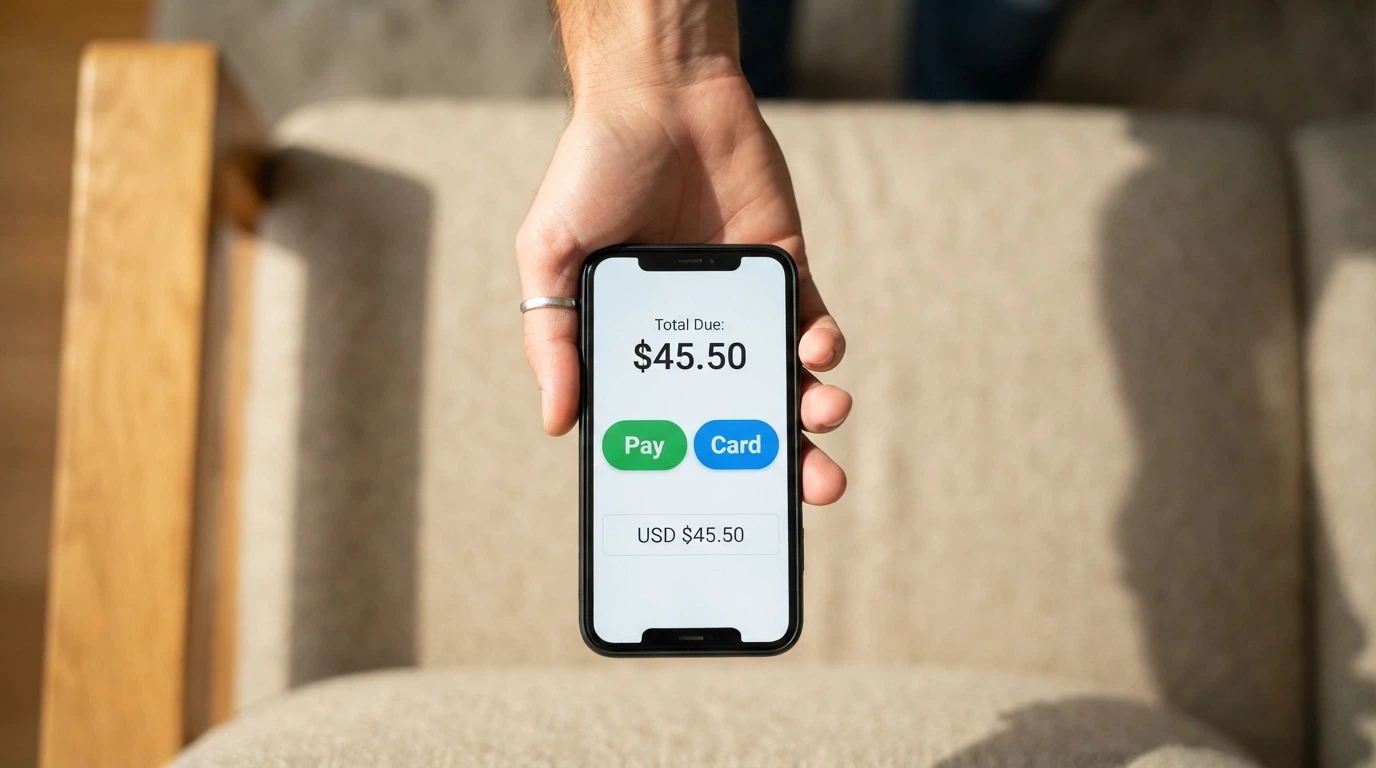
Sportsbet supports Apple Pay and Google Pay alongside PayID, PayPal and the rest of its seven-method cashier. Offshore, Royal Reels, Skycrown and similar support them for deposits only. The decision to use either is mostly about UX speed at the deposit step: tap, confirm, balance updates. Whether the money comes out the same way three days later is a function of the rail underneath, not the button pressed.
App-based cashiers integrated into offshore casino apps are a parallel setup. Payment rails integrate differently inside an Android or iOS cashier and may add Apple Pay and Google Pay where the desktop cashier does not. The withdrawal behaviour is the same.
SMS billing and phone-billed casino deposits have largely disappeared from the AU-facing market. Pay-by-mobile-service-bill rails were once a way to add a small deposit to a phone bill, but the operators who offered it have moved on; Boku, the main rail of this kind, no longer covers the Australian gambling space in any depth. What remains is in-app purchasing through Apple/Google wallets, which behaves like the tap-and-pay rails above. Players hunting an SMS deposit option at an Australian-facing casino in 2026 are hunting something that has been largely phased out.
How Safe Is Your Casino Payment? Security, KYC and the Processing Stack Behind It
Every secure casino payment runs over TLS encryption on a legitimate cashier page; that is the floor. Above the floor sits the choice of which payment rail to trust with which operator. An e-wallet shields bank details from the casino because the casino only sees the wallet account; a debit card hands the card details to a payment processor who routes the transaction; crypto hands the wallet address to no one at all but exposes the on-chain transaction forever.
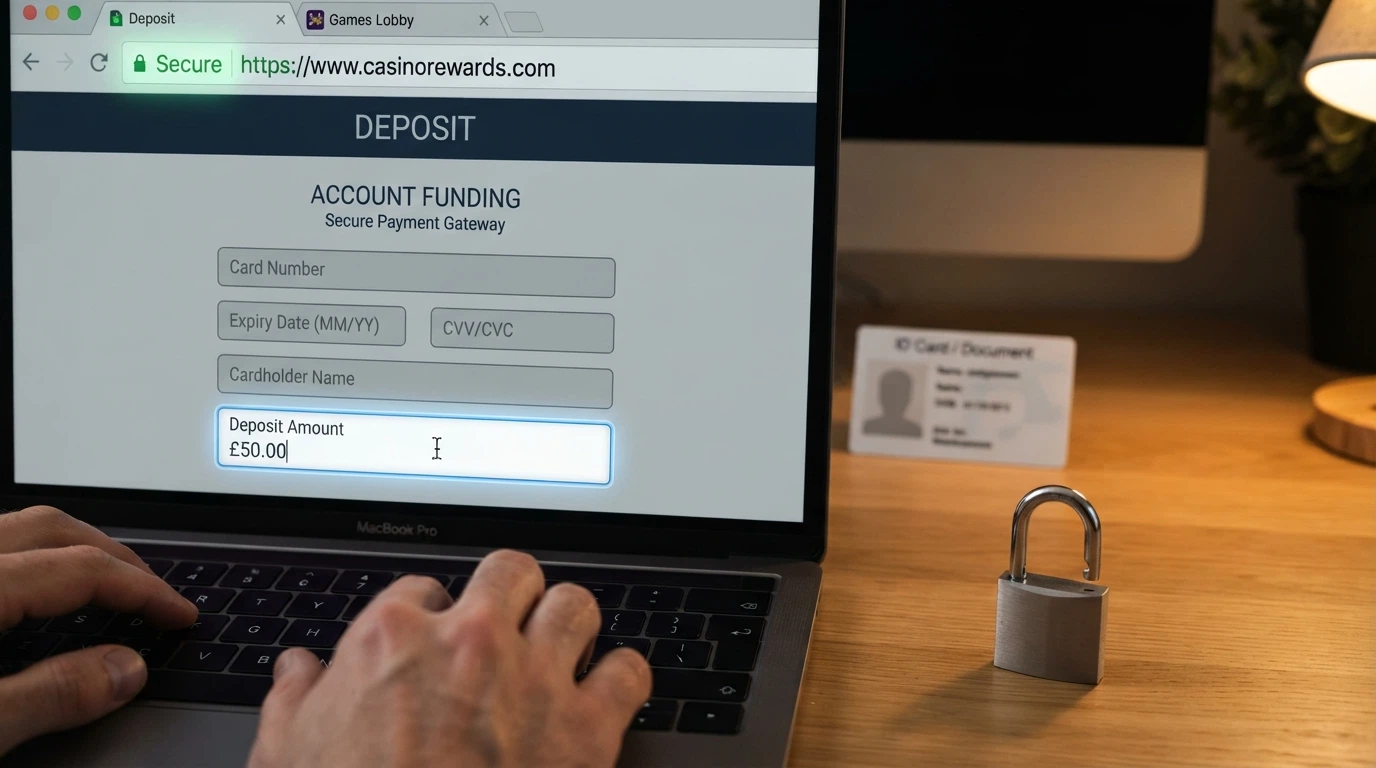
Cryptocurrency’s pseudonymity is not the same as safety. The casino still holds the balance until it pays out, and the operator can refuse the payout as easily as any other operator. What crypto offers is the absence of a chargeback rail: once the transfer is signed and confirmed, there is no bank-side dispute that reverses the deposit. That cuts both ways. It removes a chargeback defence a player would otherwise have, and it removes the chargeback risk the operator is otherwise exposed to, which is part of why operators refuse fewer crypto withdrawals than card withdrawals.
KYC is where the rail choice stops being just about speed. Card deposits trigger an extra KYC round tied to the card — a scanned copy of the front of the card with most digits masked, or a statement showing the card in the player’s name. That extra round is the operator protecting itself from chargebacks; it does not add anything to fund safety on the player’s side. E-wallet and crypto deposits trigger lighter KYC because the rail carries less fraud risk.
What happens after you hit deposit
The deposit flow on the operator side runs through a payment gateway, a payment processor and a risk-management layer before money reaches the casino balance. The gateway is the technical interface — the form a player fills in, the tokenisation of card details, the encryption between player and operator. The processor is the financial institution that moves the money between banks. The risk-management layer is where the operator decides whether to accept the transaction: it checks the player’s account history, flags any AML/KYC mismatch and resolves before crediting the balance.
Pending time on the withdrawal is much of this same machinery running in reverse, with one added step: the operator’s payments team manually reviews the submission, especially on the first withdrawal. The 72-hour pending window at Skycrown is mostly that review, not the rail. A player who has submitted ID, proof of address and a card-on-file statement before their first withdrawal trims that window because there is nothing left to review.
Top Payment Methods by Operator: Who Accepts What in 2026
The ten operators below split into two camps: five NT-licensed wagering operators (no online casino product — licensed for sports and racing only) and five offshore operators running the prohibited online casino product from outside Australia. The split is itself the page’s regulatory point. “Operator” in the table below means the legal entity a player signs up with; the casino product on offer differs by camp.
| Operator | Licence / AU Status | Product | Deposit Methods | Welcome Offer | PayID | Crypto |
|---|---|---|---|---|---|---|
| Sportsbet | NT-licensed wagering | Sports & racing only — no casino | Debit card, Apple Pay, Google Pay, PayID, PayPal, BPAY, Cash Card | None — prohibited under NCPF | Yes | No |
| bet365 | NT-licensed wagering | Sports & racing only — no casino | Debit card, Apple Pay, Google Pay, PayPal, PayID | None — prohibited under NCPF | Yes | No |
| Ladbrokes | NT-licensed wagering | Sports & racing only — no casino | Debit card, PayPal, PayID, Google Pay, Apple Pay, bank transfer, BPAY | None — prohibited under NCPF | Yes | No |
| Neds | NT-licensed wagering | Sports & racing only — no casino | Debit card, PayPal, PayID, Google Pay, Apple Pay, bank transfer, BPAY | None — prohibited under NCPF | Yes | No |
| PointsBet | NT-licensed wagering | Sports & racing only — no casino | Debit card, Apple Pay, Google Pay, PayID/PayTo | None — prohibited under NCPF | Yes | No |
| RocketPlay | Offshore — no AU licence | Online casino | Visa/Mastercard, MiFinity, CashtoCode, Bitcoin, Ethereum, Litecoin, Dogecoin, Bitcoin Cash, Tether, bank transfer | 100% up to AUD 1,000 first deposit, x40 wagering (cash bonus + free spins) | No | Yes |
| Skycrown | Offshore — no AU licence | Online casino | Visa, Mastercard, MiFinity, PayID, Apple Pay, CashtoCode, Neosurf; ten cryptocurrencies | 450% up to A$8,000 + 400 FS across four deposits, 40x wagering (excluded for crypto depositors) | Yes | Yes |
| Royal Reels | Offshore — no AU licence | Online casino | PayID, Visa, Mastercard, POLi, Neosurf, Skrill, Neteller; BTC, ETH, LTC, USDT, DOGE | Welcome bonus benchmark A$20 | Yes | Yes |
| Stake | Offshore — no AU licence, crypto-only | Online casino (pokies, tables, live, sports) | Crypto only — BTC, ETH, LTC, USDT, DOGE, BCH, XRP, TRX and others | None confirmed this run | No | Yes |
| FairGO | Offshore — no AU licence | Online casino (pokies) | PayID, Neosurf | 100% up to A$200 × 5 deposits (up to A$1,000 total), A$50 no-deposit chip | Yes | No |
Sportsbet
Sportsbet is the largest licensed Australian wagering operator by player count, and the cashier shows it. The deposit set runs to seven rails: debit card, Apple Pay, Google Pay, PayID, PayPal, BPAY and Cash Card (a Visa debit product). Deposits are instant for everything except BPAY, which stretches to up to 72 hours on bank business days. Withdrawals run through bank transfer, card, PayPal and the Cash Card.
Sportsbet does not offer a welcome bonus and is not allowed to, under the National Consumer Protection Framework. The framework — enacted May 2019 — prohibits sign-up inducements at licensed wagering operators across Australia, and Sportsbet is bound by it as an NT-licensed operator. The deposit-match offer Sportsbet does run is on existing customers, and exclude BPAY and Cash Card from qualifying (per Sportsbet T&Cs updated 6 March 2026). That is a methods-shaped restriction players should know about before they top up: if they want to be eligible for that match, PayID, PayPal, Apple Pay, Google Pay or debit card is the rail to use.
What Sportsbet is worth: it is the place for a player who wants every AU-facing deposit and withdrawal rail in one cashier, on a licensed platform, with all the consumer protection that follows — and is happy to skip a welcome offer in exchange. It does not offer online casino.
bet365
bet365 sits at the global top of online wagering and sits inside Australian law at the wagering product level via an NT licence. Deposits cover debit card, Apple Pay, Google Pay, PayPal and PayID. Withdrawals add the bet365 Mastercard — a branded prepaid Mastercard for fast ATM access — plus PayPal, Apple Pay back to the card, PayID and bank transfer. Welcome bonus: prohibited under NCPF, none available.
The bet365 Mastercard is the standout withdrawal rail here. It converts a casino withdrawal to ATM cash, sidestepping the 3–5 business day debit card rail. The card is invite-based, and VIP at bet365 is invitation only — there is no public scheme for AU players to apply for.
What bet365 is worth: it is the bank-card alternative for players who want a licensed operator with global rail breadth, and who can plan around the absence of any welcome bonus.
Ladbrokes
Ladbrokes’ standout feature is the Ladbrokes Card, a prepaid Mastercard that delivers instant cash payouts at any ATM or EFTPOS terminal in Australia. Deposits run through debit card, PayPal, PayID, Google Pay, Apple Pay, bank transfer and BPAY. Withdrawals run through PayPal, bank transfer and the Ladbrokes Card; the deposit minimum is A$10, lower than most licensed operators.
Welcome bonus: prohibited under NCPF, none available.
What Ladbrokes is worth: any player who values instant cash withdrawals via an Australian ATM and would rather skip the bank-rail wait. Bonus is non-existent; the cash payout speed is the upside.
Neds
Neds offers the lowest minimum deposit among the featured licensed set at A$5 per deposit, against A$10 at Ladbrokes and the higher floors elsewhere. Deposits cover debit card, PayPal, PayID, Google Pay, Apple Pay, bank transfer and BPAY. Withdrawals run through PayPal, bank transfer and the Neds Card (instant cash).
Welcome bonus: prohibited under NCPF, none available.
What Neds is worth: a low-floor, licensed bookmaker for players who want to stake small and cash out immediately via the Neds Card at an ATM. The minimum deposit difference vs other licensed operators is small in absolute terms but meaningful for a low-stakes player.
PointsBet
PointsBet runs a rewards scheme rather than a welcome bonus: 1 Rewards Point per A$1 wagered on fixed-odds markets, 100 points redeemable for A$1 in bonus bets, and parlay bets earning up to 5× the standard rate. Deposits cover debit card, Apple Pay, Google Pay and PayID/PayTo. Withdrawals run through bank transfer and PayID, with PayID clearing same-day to 24 hours after operator checks.
Welcome bonus: prohibited under NCPF, none available.
What PointsBet is worth: a rewards-driven licensed bookmaker for the regular player who wagers enough that points accumulate into real bonus bets. The PayID same-day window is the cashier highlight; the structure caters to ongoing play, not to first-deposit volume.
RocketPlay
RocketPlay is an offshore operator running the prohibited online casino product. Deposits cover Visa/Mastercard from A$25, MiFinity from A$30, CashtoCode from A$25 (deposit-only, capped around AU$800 per voucher), and six cryptocurrencies: Bitcoin, Ethereum, Litecoin, Dogecoin, Bitcoin Cash and Tether. Bank transfer from A$30 completes the set. The minimum to activate the welcome bonus is A$30.
The bonus is 100% up to AUD 1,000 on the first deposit, with 40x wagering on the cash bonus and on free spins results. Crypto withdrawals are instant once the operator processes them. MiFinity withdrawals are instant too. Bank transfer withdrawals take 3–7 business days — the slowest option on the cashier.
What RocketPlay is worth: a casino-only offshore option for players who want e-wallet speed on withdrawals and are comfortable with a single-deposit welcome rather than a multi-stage package. It accepts Australian players without an AU licence and offers none of the consumer protection that follows.
Skycrown
Skycrown is the headline-grabber of the offshore set on bonus alone: a 450% total deposit match up to A$8,000 + 400 free spins across four deposits, with 40x wagering on both bonuses and free spins winnings. Four-deposit breakdown: 120% up to A$1,200 + 125 FS on the first, 100% up to A$1,300 + 75 FS on the second, 80% up to A$1,500 + 50 FS on the third, 150% up to A$4,000 + 150 FS on the fourth. Wagering 40x on the deposit bonus and on free spins winnings a 14-day validity and a A$7.50 maximum bet cap. Minimum deposit to activate per leg: A$30 / A$40 / A$50 (1st / 3rd / 4th), and the package is not available to crypto depositors.
Skycrown accepts Visa, Mastercard, MiFinity, PayID, Apple Pay, CashtoCode, Neosurf and ten cryptocurrencies (BTC, ADA, BCH, BNB, ETH, LTC, TRX, USDT, DOGE, XRP). Min deposit A$20, min withdrawal A$20. Weekly withdrawal limit A$7,500, monthly A$45,000, pending time 72 hours. Bonus not available to crypto depositors — making the rail choice also the bonus choice.
What Skycrown is worth: the largest multi-deposit bonus in the featured offshore set, on a cashier that goes wider than most peers. The 72-hour pending time and the A$7,500 weekly cap are the price.
Royal Reels
Royal Reels is the PayID-friendly offshore choice for Australian-facing players. PayID deposits start at A$10 — the lowest PayID entry point in the featured set — and a real PayID withdrawal test ran 4 hours 12 minutes on a weekday. Crypto takes over from a A$30 floor; fiat (card, e-wallet, PayID) from a A$50 floor. The flat weekly withdrawal cap is A$10,000 across all methods, which is tight for high-volume winners but comfortable for the standard player.
Deposit methods cover Visa, Mastercard, POLi, Neosurf, Skrill, Neteller and the crypto set (BTC, ETH, LTC, USDT, DOGE). POLi still appears in Royal Reels’ cashier list — a legacy option that was decommissioned for new AU consumer use by ANZ on 30 September 2023 and may not work at the bank end. Neosurf is deposit-only from A$10. The welcome bonus structure sits around an A$20 entry deposit.
What Royal Reels is worth: a low-entry PayID corridor with the fastest live-tested PayID withdrawal in the featured set. Offshore, no AU licence, no AU consumer protection. The weekly A$10,000 cap is the brake.
Stake
Stake is a crypto-only offshore operator with one of the largest AU customer bases among the offshore set (1.28% AU market share, around A$115.67M revenue). The cashier lists Bitcoin, Ethereum, Litecoin, Tether, Dogecoin, Bitcoin Cash, XRP and Tron, plus others depending on jurisdiction. There is no fiat deposit rail; players buy crypto elsewhere and send it to a Stake wallet address. There is no Australian licence, no welcome bonus confirmed for this run, and Stake is not connected to BetStop — a self-excluded player can keep depositing.
What Stake is worth: a large-volume crypto-only casino that has made itself the default for AU players who refuse fiat. The trade-off is full regulatory exposure: no AU consumer protection, no BetStop coverage, no fallback rail for a player who wants to deposit in AUD.
FairGO
FairGO is a pokies-focused offshore casino with a five-deposit welcome: 100% match up to A$200 on each of the first five deposits — up to A$1,000 total — and an A$50 no-deposit chip on top, with an A$180 ceiling on free-money offers. Min deposit A$20, max bet A$10 per spin while clearing wagering. PayID and Neosurf are confirmed for Australian players; the broader cashier adds the offshore-standard rails.
There is no Australian licence. The casino is offshore and outside Australian consumer protection law.
What FairGO is worth: a pokies-only crypto-light operator (no crypto in the confirmed cashier), five smaller bonuses over one large one, and a no-deposit chip for first-time players who want to play without funding an account. Offshore, no AU protection.
Responsible Gambling: The Payment Controls That Actually Work for Australians
The payment-level controls on gambling harm in Australia are exactly the ones attached to licensed wagering operators, and they stop at the licensed border. Customer-set deposit limits and activity statements are available at all five licensed wagering operators on this page, with state-by-state variation on the exact mechanics. The National Consumer Protection Framework’s 10 measures — voluntary opt-out pre-commitment, monthly activity statements, identity and age verification, prohibition of lines of credit, BetStop registration — are the floor licensed operators must meet.
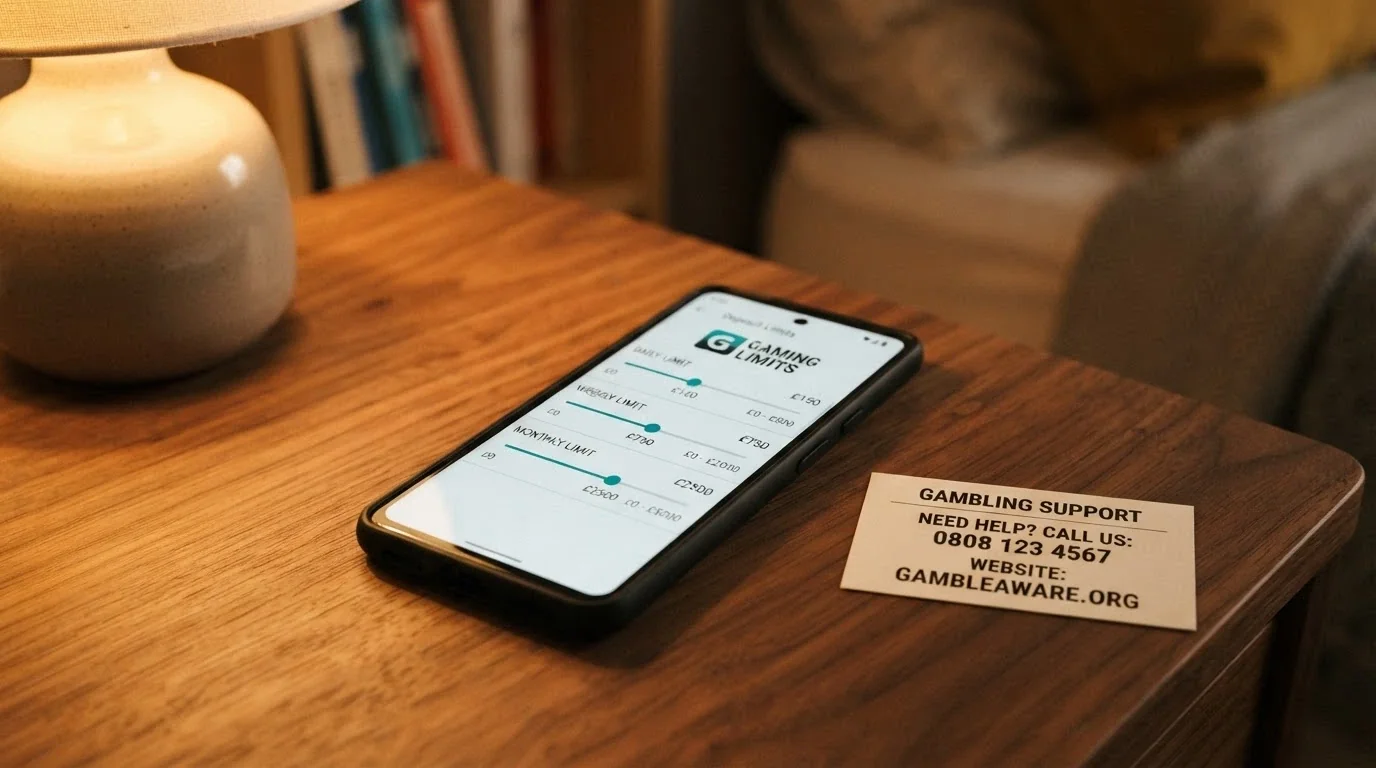
Offshore casinos offer none of these by default. A few will mirror a deposit-limit function inside the account profile, but there is no regulatory standard behind it and the limits can be raised at any time. There is no monthly activity statement the operator must send. There is no integration with BetStop. A self-excluded player who funds at an offshore casino keeps funding.
The harm scale makes the controls urgent. 15.1% of Australian adults — roughly 3.32 million people — are experiencing some level of gambling harm, according to Roy Morgan data from March 2026. Between March 2025 and March 2026, Australians lost A$36.0 billion to gambling, and the annual health loss associated with gambling-related harm in Australian adults is estimated at more than 400,000 Years Lived with Disability. The payment tool that does the most against those numbers is the one that sits at the licensed operator’s cashier, not at the offshore one.
BetStop, self-exclusion and the offshore gap
BetStop — the National Self-Exclusion Register — launched on 21 August 2023 and is the single most powerful gambling safety tool in Australia. One registration excludes from every Australian-licensed online and phone wagering service, with a minimum exclusion period of three months and a maximum of a lifetime. By the end of Q3 FY 2025–2026, 59,830 people had registered; as of 31 March 2026, 37,247 had active exclusions.
BetStop binds licensed services only. An offshore casino is not connected to the register and will continue accepting a self-excluded person’s money. That is the operational meaning of the offshore gap: the law and the technology of exclusion stop at the licensed border.
From 1 January 2027 — when the 2026 Gambling Reform Bill commences — direct marketing of inducements will be prohibited for three months after a BetStop deregistration. The withdrawal marketing ban added to the existing 14-day post-sign-up block; both are tools aimed at licensed operators, not offshore ones.
Help infrastructure is national and free. The National Gambling Helpline on 1800 858 858 is staffed 24 hours a day, 7 days a week. The Gambling Help Online chat at gamblinghelponline.org.au runs in parallel. Both are confidential. ACMA’s 2023 survey of BetStop registrants found 77% report better overall quality of life, 79% improved mental health, and 96% have completely stopped or decreased their betting.
How We Evaluated Payment Methods for This Guide
This page grades every payment method and operator against the same three criteria: speed, two-way support, and regulatory status. Speed is measured on real-world observed time at the AU rail (PayID, BPAY, card networks, on-chain crypto) and at the operator, where pending time dominates. Two-way support is whether the rail handles deposit and withdrawal in both directions, with deposit-only methods called out where relevant. Regulatory status is the licence status of the operator behind the cashier, against the NT Racing and Wagering Commission register for domestic wagering and the ACMA’s blocking list for offshore operators.
Every licensed wagering operator was checked against the NT Racing and Wagering Commission register via Licensing NT. Every offshore casino on this page is in the ACMA’s blocking footprint, has been blocked, or has been the subject of formal ACMA investigation; ACMA has had 1,564 illegal gambling and affiliate websites blocked since November 2019, with more than 225 illegal services withdrawn since 2017 enforcement strengthening. PayID speed figures come from operator Help Centres and from an AU-specific retail site. Crypto figures come from MilkFrother’s Australian crypto guide and from operator withdrawal terms pages. Bonus figures come from operator bonus terms pages where available.
The ranking is qualitative. No invented weightings or composite scores; the comparison is method-by-method and operator-by-operator. Where research did not return a number — minimum deposits at Sportsbet, bet365 and PointsBet; bonus validity at RocketPlay; game providers at Royal Reels, Stake and FairGO — those fields are stated as missing or omitted from the relevant line.
Your Money, Your Move: What to Pick and What to Skip
Three questions make a payment-method decision legible for any Australian player weighing a deposit today. First: is the operator licensed in Australia, or offshore? The payment method the cashier asks for answers this without further inspection — a credit card option and a crypto option are signals of an offshore operator. Second: does the method support withdrawals, and at what speed? PayID and crypto handle both directions and clear in hours-to-minutes. Apple Pay and Google Pay do not — they deposit and reroute to card rails on the way out. Neosurf and BPAY do not — they are deposit-only. Third: what are the caps and fees on the way out? AU$4,000 daily at PayID, A$10,000 weekly at Royal Reels, A$7,500 weekly and A$45,000 monthly at Skycrown. A$20 at Skycrown; Royal Reels has A$30 crypto and A$50 fiat withdrawal floors. Exchange fee 0.5–1% for crypto purchase on top of any on-chain network fee.
For players with a licensed alternative, the comparison lands cleanly: licensed wagering operators offer PayID, PayPal and BPAY as the standard set, with deposit limits and BetStop integration, plus no welcome bonus under NCPF. For players at an offshore casino, the trade-off is speed and bonus size against no BetStop coverage and no AU recourse on a refused withdrawal.
The crypto-purchase leg is the most consequential decision in the offshore route. USDT on TRC-20 dominates the AU-facing corridor for fee and support reasons; Bitcoin is more familiar but slower and more expensive on the network leg. A 0.5–1% exchange purchase fee on the AU side is the cost of conversion regardless of coin.
A method that asks for a credit card at an Australian-facing casino is itself a warning sign: credit cards are banned for online wagering under Australian law since 11 June 2024, so a site accepting them is offshore, unlicensed and outside every consumer protection that follows.
For anyone whose gambling is causing harm, the concrete steps are clear. Set a deposit limit at the licensed operator if they play there. Register with BetStop at betstop.gov.au to lock out every AU-licensed wagering service. Acknowledge that BetStop does not cover offshore casinos — switching from a licensed bookie to an offshore casino does not extend the protection. Call the National Gambling Helpline on 1800 858 858 free, confidential, 24/7, or use the Gambling Help Online chat at gamblinghelponline.org.au. The professional support answered there is the resource that does the most work, and it is available regardless of which payment method the problem started on.
Frequently Asked Questions
How quickly does my money actually appear after I hit deposit?
At most Australian-facing operators, PayID clears the balance in under 30 seconds, debit cards and e-wallets are instant, and BPAY can stretch to up to 72 hours on bank business days. Crypto is near-instant once the network confirms. The rail sets the floor; the operator’s processing is the variable on top.
If credit cards are banned for gambling in Australia, why do some casino sites still ask for one?
The Interactive Gambling Amendment (Credit and Other Measures) Act 2023 banned credit cards and digital currency as payment for online wagering effective 11 June 2024. That ban binds licensed Australian operators only. Offshore casinos sit outside Australian rules and still accept credit cards, which is itself the signal that the site is unregulated in Australia.
What happened to POLi and which payment method took its place?
ANZ decommissioned POLi on 30 September 2023. PayID, running on the New Payments Platform under the Osko overlay, replaced it for Australian-facing deposits — and unlike POLi it handles withdrawals as well as deposits, clearing in under 30 seconds any day of the week.
Do I have any legal protection if an offshore casino refuses to pay my winnings?
No Australian consumer protection applies to offshore casinos. ACMA does not mediate player disputes with offshore operators, and there is no Australian court route for a refused cashout. BetStop does not extend to offshore casinos either. The protection is whatever dispute process the operator offers, and that varies from none at all to a written complaint address with no SLA.
Will I need to submit ID documents for every payment method I use?
Account-level KYC (ID, proof of address) is required at every legitimate operator for the first withdrawal. Card deposits add an extra card-tied KYC round, paid out to that specific card. E-wallet and crypto deposits typically trigger lighter per-method verification than cards.
What is the smallest amount an Australian-facing casino lets you deposit?
Neds has the lowest minimum at $5 among the licensed wagering operators on this page. Ladbrokes sits at $10. Among the offshore operators covered, Royal Reels accepts PayID deposits from as low as A$10, while Skycrown’s floor is A$20 (rising to A$30 / A$40 / A$50 across the four bonus legs).
Am I still protected by BetStop if I move from a licensed bookie to an offshore casino?
No. BetStop binds Australian-licensed wagering services only. An offshore casino is not connected to the register and will continue accepting a self-excluded person’s money. Switching to an offshore operator is the single fastest way to lose BetStop coverage, and that loss is total.
Published by the Trusted Casinos Australia team.