
What a Casino VIP Program Actually Looks Like for Australian Players in 2026
Every offshore casino reaching Australian players today runs a VIP program. They tend to call them loyalty clubs, comp schemes, or rewards ladders, but the structure is broadly the same: the more you wager, the higher the rung, and each rung carries a slightly better-looking number next to it. The marketing makes this sound like a perk. It is a retention system, and the question worth asking is what it actually gives a player, not what the brochure promises.

The rest of this page covers what is confirmed, what is marketing, and what every operator on the AU-targeted list leaves out. Reviewed as of 16 October 2026 against the Interactive Gambling Act 2001 and the Australian Communications and Media Authority’s enforcement record.
Table of Contents
- Why Every Dollar You Wager Builds a VIP Status You Didn’t Know About
- Which VIP Programs Reach Australian Players in 2026 — and What Sets Each One Apart
- What Your VIP Bonus Is Actually Worth After the Wagering
- The Pokies and Tables That Come Alive at VIP Level
- Crypto, Bitcoin and the Anonymous VIP Lane
- Your VIP Login, Account Manager and the Support Pipeline
- The Legal Reality — Every VIP Casino Reaching Australia Is Unlicensed
- When VIP Perks Collide With Responsible Play
- How We Evaluate VIP Casino Programs for Australian Players
- What to Actually Do About VIP Casino Programs in Australia
- Frequently Asked Questions About Casino VIP Programs in Australia
Why Every Dollar You Wager Builds a VIP Status You Didn’t Know About
A casino VIP program is the inverse of a punch card. The player does not collect stamps to redeem a thing; the casino collects the wagers and decides what tier label to apply. Every spin, every hand, every bet adds to a running total, and that total gets compared against a ladder the operator set in advance. The point is to keep the player playing long enough that the arithmetic finishes in the house’s favour, regardless of how the cashback line looks on the promotions page.
Offshore casinos targeting Australia tend to build these programs in five to ten tiers, with names that run Bronze, Silver, Gold, Platinum, Diamond, and a top rung with a label that tries very hard to sound exclusive. Progression is usually comp-point based or wagering based, sometimes both, and the difference matters because it sets the speed at which a player climbs. A program that awards points for wagering rewards volume. A program that awards points for losses rewards exactly what the responsible-gambling signage on the lobby asks players to stop. Most operators run a hybrid of both.
The premise is straightforward. What complicates it is that no online casino offering VIP programs to Australians holds an Australian licence, because no such licence exists. The federal Interactive Gambling Act 2001 prohibits the product outright. So the operator asking a player to climb the ladder is also asking them to play on a site the ACMA could block with the next quarterly enforcement action. That tension, between the perks being marketed and the regulatory ground being walked on, is the backbone of everything that follows.
For context worth holding onto: a land-based casino VIP room is a physical space. There is a private salon, a host who knows the player’s name, complimentary dining, a credit line settled at the end of the month. Australian players have access to those rooms inside Crown Melbourne, Crown Perth, The Star Sydney, and a small number of other licensed venues. The online VIP program reaches for the same feeling without the physical infrastructure: a faster withdrawal queue, a dedicated chat contact, a slightly higher table limit, a birthday bonus. The trade is real perks in a context where no Australian regulator is watching the back of the player claiming them.
How a Casino VIP Program Actually Tiers Your Play
The mechanics are simpler than the brochures suggest. A casino assigns a points-per-wager rate — SkyCrown, for instance, credits one comp point for every A$15 wagered across its catalogue — and sets a points threshold for each tier. At the entry level, 150 comp points unlocks the first rung and a small reward bundle. At the top, the threshold is a six-figure point count and the reward bundle includes a personal host, faster withdrawals, and higher table limits. Everything between is arithmetic.
Two progression models dominate. The first is a lifetime ladder: once a player reaches a rung, they stay there, and the only way down is to stop wagering altogether or to have the operator revoke status for inactivity. The second is a seasonal ladder: players qualify over a defined period (three months is typical) and reset at the end of it. Rocket Play runs a hybrid of both, with lifetime levels running Quark through Alloy and seasonal tiers running Bronze through Diamond that expire every three months. The hybrid is worth flagging because it carries a maintenance load most operators hide in the small print. Keeping a seasonal tier takes ongoing volume. Losing it because the player took a month off costs the cashback rate they had been collecting.
A small number of programs also impose deposit or wager maintenance floors. SkyCrown requires a A$2,500 minimum deposit to access VIP loyalty benefits and a maintained bet of at least A$5,000 per week once a player is inside. That is not a tier threshold. It is a stay-in-the-club condition. A player who clears the comp-point hurdle and then plays lightly for a month can find themselves outside the benefits window without having done anything that looked, at the time, like leaving.
The personal account manager is the perk most readers come for. In practice the role covers a narrow band of tasks: faster withdrawal handling, custom bonus negotiation, event invitations, and direct messaging rather than waiting on a general support queue. It does not include any legal or regulatory function. A manager cannot compel an offshore operator to honour a withdrawal the operator has chosen to dispute, cannot refer a complaint to a recognised body, and cannot recover funds if the site is blocked with a balance still on it. That gap between what a manager sounds like and what a manager actually does is one of the central things to keep in mind when the marketing describes VIP support.
Online VIP Lounges vs the Casino Floor You Can Walk Into
A physical VIP room is hospitality. The host knows what the player drinks, the table opens at a higher limit, the meal is on the house, and the boundary between the room and the main floor is a door walked through. The host is paid to know the player by name; the cashback is incidental.
Online, the architecture is different. There is no door. The VIP program lives inside the same account dashboard a standard player sees, with extra rows appearing as the player qualifies for them. The casino adds a cashback line, a higher withdrawal cap, a designated support contact, and a custom bonus offer that standard players do not receive. The mechanics feel similar to the physical version — better treatment in exchange for higher spend — but the host is a chat window, not a person in a suit, and the room is a tab in a player profile rather than a private salon.
Australian players have a particular reason to feel the gap. The licensed venues in Melbourne, Perth and Sydney run VIP programs with very specific obligations under state casino regulation, including responsible service of gambling checks, host training, and mandatory intervention triggers. Those obligations disappear the moment the same player signs in to an offshore site running its own version of the same program. The offshore program replicates the rewards and skips the obligations. Nothing about the offshore operator’s terms document requires a host to intervene if a player’s deposit frequency doubles overnight, because no Australian regulator requires it.
The implication is not subtle. The thing being marketed is the better treatment. The thing being skipped is the protective layer that licensed venues are required to maintain. Players comparing the two experiences see the same rewards line and a different obligations page underneath. Reading both is what the marketing prefers not to happen.
The Benefits That Stack Up at Each VIP Level
The cashback ladder is the most visible benefit, and the most misleading. The percentages are real. What the percentages apply to, and what the player has to do before the resulting credit becomes withdrawable, is what determines whether the line is worth reading.
| VIP Tier Level | Typical Cashback Rate | Wagering on VIP Perks | Personal Account Manager |
|---|---|---|---|
| Bronze / Entry | 3–5% | 35x–50x (standard) | No |
| Silver / Mid | 7–9% | 25x–35x | No |
| Gold | 10–12% | around 20x | Sometimes (Jackpot Jill unlocks at roughly A$5,000 lifetime wagered) |
| Platinum | 12–15% | 15x–20x | Often |
| Diamond / Top | 15–25% | 10x–20x | Yes (Royal Reels unlocks at Platinum Elite) |
Cashback is the headline. The wagering multiple attached to that cashback is the actual cost. Standard offshore bonus funds carry 35x to 50x wagering across the industry, and some VIP-specific offers drop to 10x to 20x for established depositors — a meaningful reduction, though still a multi-digit figure. A 10% cashback rate on a 25x wagering requirement is a different shape from a 10% cashback rate paid as real money, and the difference is precisely what the marketing phrases rarely mention.
Beyond cashback, three benefits repeat across the operator set. Higher withdrawal limits and faster processing at upper tiers. Loss-rebate schemes as a VIP-only feature. Dedicated support access. Withdrawal limits in particular scale meaningfully — the difference between a standard A$2,500 per week ceiling and a VIP-tier A$10,000 per week ceiling changes how a serious bankroll moves. Loss-rebate mechanisms are the perk most worth naming precisely. Rocket Play’s tiered structure covers up to 25% of daily losses, with coverage ranging from A$1,000 per day at Bronze to A$2,000 per day at Diamond. A backstop on losses sounds protective. Mechanically, it extends a session the player might otherwise have walked away from, which is the opposite of what a harm-reduction limit is supposed to do.
How Your VIP Status Travels Between Casino Brands
The honest answer is that it does not. Most offshore VIP programs run on a single domain, with comp points tracked in a single account ledger and tier status attached to that specific casino. A player who reaches Diamond at one site starts at Bronze when they open an account at the next.
A small number of operators run multi-brand or sister-casino programs that recognise status across several sites under the same parent company. These arrangements exist. They are not common among the offshore brands reaching Australia, and none of them create a transferable tier label a player can carry into a wholly unrelated casino. The closest a high-tier player gets to portability is the ability to negotiate status when opening a new account at a competitor — and the negotiation only succeeds if the new operator believes the player’s volume justifies the cashback they will be paying out.
No Australian framework governs cross-brand VIP portability. The licensed wagering sector, where most AU consumer protection lives, does not run VIP casino programs at all because online casino is not a licensed product. The portability question is therefore settled by the operator’s own internal terms, and the operator’s own internal terms almost always say that status is non-transferable.
Which VIP Programs Reach Australian Players in 2026 — and What Sets Each One Apart
The table below lists the ten offshore casinos the AU-facing market reaches most often, ranked by the depth of their published VIP-program detail. Every operator listed is offshore and unlicensed in Australia. The What Their VIP Program Is Known For column carries what each operator publishes on its own VIP page; the absence of a number in that column means the operator does not publish the number.
| Operator | Regulatory Status in Australia | What Their VIP Program Is Known For |
|---|---|---|
| SkyCrown Casino | Offshore, unlicensed in Australia | 10-level comp-point ladder with Wheel of Fortune mechanic and separate pokies and live-dealer cashback tracks |
| Rocket Play | Offshore, unlicensed in Australia | Hybrid lifetime + seasonal tiers, weekly cashback, daily loss rebates up to A$2,000 |
| Royal Reels | Offshore, unlicensed in Australia | 5-tier ladder, cashback up to 15% at Platinum Elite, dedicated account manager at the top rung |
| Jackpot Jill | Offshore, unlicensed in Australia | 6-tier program with personal manager from Gold, A$7,500 welcome plus 100 zero-wager free spins |
| FairGO | Offshore, unlicensed in Australia | Brand present in AU market-share data; VIP-program structure not published |
| Stake | Offshore, unlicensed in Australia | Crypto-first operator; VIP-program structure not published |
| Bizzo Casino | Offshore, unlicensed in Australia | Brand present in AU market-share data; VIP-program structure not published |
| WinSpirit | Offshore, unlicensed in Australia | Highest AU market-share in the featured set; VIP-program structure not published |
| Scream Casino | Offshore, unlicensed in Australia | Brand present in AU market-share data; VIP-program structure not published |
| Rocket Casino | Offshore, unlicensed in Australia | Distinct brand from Rocket Play; VIP-program structure not published |
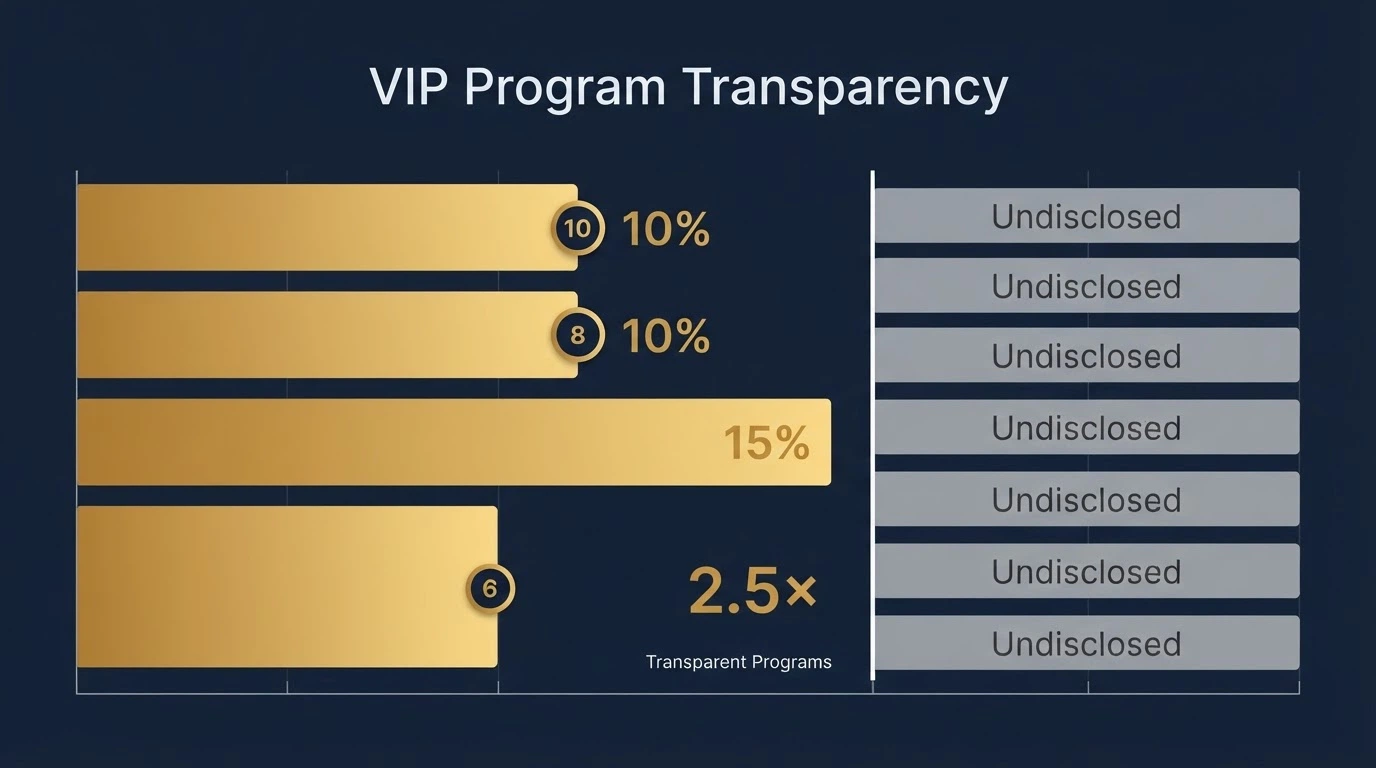
What the table shows is that only four of the ten reviewed operators publish enough VIP-program detail to compare meaningfully. The other six trade on the promise of a VIP program without giving readers the terms to evaluate it. A casino that will not publish its cashback rate or wagering multiple is asking a player to take its word that the program is worth climbing. That is the marketing layer the rest of this page pulls apart.
SkyCrown Casino
SkyCrown runs the most granular VIP structure in the featured set — ten levels, with each rung carrying its own reward bundle. The mechanics are comp-point based, and the rate is the simplest in the industry: one comp point for every A$15 wagered, regardless of game. Level 1 starts at 150 comp points and awards 25 free spins plus an A$10 bonus. Level 10 sits at the far end of the ladder and awards 150 free spins plus A$500 in bonus funds. Between the two, the rewards scale roughly with the points required to reach each level, and the player climbs by sheer volume.
Two mechanics distinguish SkyCrown’s program from the rest of the reviewed set. The first is the comp-point exchange, which becomes available from VIP Level 5. At that tier, 350 comp points convert to A$1 in real money; at the top tier, the rate improves to 150 comp points per A$1.50. The exchange carries a 3x wagering requirement on the redeemed amount, which is light against the 35x to 50x range that standard offshore bonus funds run at. The second is the Wheel of Fortune promotion, which triggers on deposits of A$75 or more and awards a spin with a potential payout of up to A$1,795 in bonus funds or 260 free spins. Wheel mechanics are a marketing layer sitting on top of the underlying VIP program; the program itself is the ladder.
SkyCrown’s cashback structure is also the clearest in the set. The operator publishes two weekly tracks: 10% cashback on pokies losses up to A$300, and 10% cashback on live-dealer losses up to A$1,500. Both carry a 10x wagering requirement. The pokies figure is the floor; the live-dealer figure is the ceiling, and the gap between them reflects the higher average stake size at live tables. The maintenance requirements to stay inside the program — a A$2,500 minimum deposit and a A$5,000 weekly maintained bet — are higher than most competitors publish, which means the program is genuinely targeted at players who would clear those thresholds through ordinary play rather than light-touch casino visits.
Verdict: ten rungs is more than the rest of the field publishes, the comp-point exchange is the cleanest redemption mechanic in the set, and the published wagering on cashback sits at the favourable end of the offshore range. The barrier to entry — A$2,500 minimum deposit and A$5,000 maintained weekly bet — is also the program’s main filter.
Rocket Play
Rocket Play is the only operator in the featured set that runs a hybrid VIP system: lifetime levels running Quark to Alloy that never expire, alongside seasonal tiers running Bronze to Diamond that reset every three months. A player who clears the first milestone at 15,000 XP enters the seasonal ladder at the appropriate rung, with the lifetime ladder tracking total volume independent of any quarterly reset. The structure is unusual because most operators commit to one model or the other; running both means Rocket Play has two retention mechanisms operating simultaneously.
The cashback schedule runs from 7% at Iron through to 10% at Diamond, with weekly increments credited on Thursdays. The percentages are modest against the 15% to 25% the industry occasionally advertises at the top tier, but the wagering attached to Rocket Play’s cashback is the published detail worth holding onto — the VIP cashback carries no published wagering multiplier in the public terms reviewed here, which sets it apart from operators that load 10x or higher onto the same line item.
The loss-rebate mechanic is the part of the program that does the most work in the marketing. Rocket Play covers up to 25% of daily losses, with coverage scaling from A$1,000 per day at Bronze to A$2,000 per day at Diamond. The mechanism is sold as a safety net, and it does pay a percentage of losses back — but it also extends the session that produced those losses, which is the opposite of what a stop-loss rule is supposed to achieve. Rebates of this kind reward the player for continuing to play rather than walking away at the loss threshold. Whether that reads as a perk or as a mechanism that runs against responsible play is a judgment the operator’s terms leave to the player.
Verdict: the only hybrid lifetime-plus-seasonal system in the set, the cashback ceiling is honest rather than inflated, and the loss-rebate scheme is generous but worth naming for what it actually does. Players who appreciate a published three-month reset cycle will read the structure differently from those who prefer lifetime status.
Royal Reels
Royal Reels runs a five-tier VIP ladder — Bronze, Silver, Gold, Platinum, and Platinum Elite — with a dedicated account manager attached to the top rung. The structure is tighter than SkyCrown’s and Jackpot Jill’s, which means the cashback ceiling arrives faster: weekly cashback scales from up to 5% at Bronze to up to 15% at Platinum Elite, and a player who climbs the ladder will see the published numbers move in fewer steps than they would at a ten-tier competitor.
The simplicity is the trade. Fewer rungs means a smaller gradient at each step, and the cashback ceiling at Platinum Elite — 15% weekly — is competitive without being the highest in the set. Royal Reels does not publish a wagering multiple on its VIP cashback in the public terms reviewed here, which makes the headline figure harder to evaluate against operators that publish both the percentage and the playthrough requirement. The published detail is solid where it exists and silent where it does not.
The dedicated account manager at Platinum Elite is the signature perk. What the manager actually does for the player matches the standard industry description: faster withdrawal handling, custom bonus negotiation, direct messaging, and event invitations. The role carries none of the protective function that a regulated venue’s host carries under state casino supervision. The manager is a relationship contact inside an unregulated operator, and the value of that contact is bounded by what the operator chooses to honour.
Verdict: the cleanest five-tier ladder in the set, the Platinum Elite rung carries the kind of ceiling a high-volume player will read as worth chasing, and the published cashback figures stop where the operator decided to stop publishing.
Jackpot Jill
Jackpot Jill runs a six-tier VIP program from Bronze through Royal, with cashback multipliers ranging from 1x at Bronze to 2.5x at Diamond and custom-built bonus structures reserved for Royal-level players. The Gold tier — sitting roughly in the middle of the ladder — unlocks a personal account manager at approximately A$5,000 in lifetime wagering. That is the lowest manager threshold in the reviewed set: at Jackpot Jill, the dedicated contact is a mid-ladder perk rather than a top-rung reward, which materially changes who qualifies.
The welcome package is the figure most readers will land on first. Jackpot Jill offers A$7,500 across the first five deposits plus 100 zero-wager free spins, with a A$200 maximum-win cap on the free-spin winnings and a A$20 minimum deposit. The zero-wager free spins are the rarity. Most offshore welcome packages carry a 35x to 50x wagering requirement on both the bonus funds and the free-spin winnings, which is the conversion mechanism that turns a A$7,500 headline into a value the player can actually withdraw only after the equivalent of A$300,000 in turnover. Zero-wager spins avoid that conversion — the winnings from those 100 spins land as real money, subject only to the A$200 maximum-win cap. The cap is the catch. It means the upside on those zero-wager spins is bounded, regardless of how the spins land. The headline number is large; the realistic cash value of the free-spin component is bounded by A$200.
The cashback multipliers at Jackpot Jill follow a different shape from competitors that publish percentages. A 1x multiplier at Bronze and 2.5x at Diamond means the operator is paying a multiple of a base rate rather than a fixed percentage, which makes the actual cashback figure dependent on the underlying rate the operator chooses not to publish in full. The structure works; the comparison across operators is harder than it should be.
Verdict: the only operator in the featured set with zero-wager free spins in its welcome package, the lowest account-manager threshold in the set, and a A$200 cap on the free-spin upside. The bonus headline rewards a careful read.
FairGO
FairGO holds an AU market share of approximately 0.8% and targets Australian players specifically. The brand’s published VIP program could not be confirmed this round — neither the number of tiers, the cashback rates, nor the qualifying thresholds surfaced in the operator’s public materials reviewed here. What that absence means is that a player reading this page and considering FairGO is being asked to evaluate a VIP program the operator has not detailed for evaluation.
The brand presence in the market-share data is itself a fact worth recording, because it indicates that FairGO reaches Australian players at scale and operates an AU-facing support and payments stack. The VIP-program layer underneath that presence is not visible. Some operators gate their VIP terms behind account login, which would explain the absence — those terms may exist for signed-in players and simply not be published to anonymous readers. Others genuinely do not run a structured VIP program and rely on ad hoc retention bonuses instead. The two cases are different, and the published materials do not distinguish them.
Verdict: FairGO’s market position is real, the VIP-program detail behind that position is not visible from outside the account, and a player considering the brand should plan to read the in-account terms before placing any volume.
Stake
Stake is the largest operator in the featured set by AU market share at approximately 1.28%, and it operates under a Curaçao licence. The brand is crypto-first by design, with the deposit and withdrawal stack built around Bitcoin and a long tail of other digital currencies rather than fiat rails. Information regarding the VIP-program tiers for this operator is not publicly available, which is unusual for an operator of Stake’s market position — competitors of comparable size tend to publish a tier ladder with cashback percentages and a comp-point rate.
The crypto-first positioning carries a specific Australian consequence. Crypto payments for online wagering have been banned under federal law since 11 June 2024, with penalties of up to A$247,500 for operators that fail to enforce the ban. From 1 January 2027, banks and payment providers gain express authority to block transactions to illegal gambling operators, which means a crypto-funded deposit from an Australian bank account faces a regulatory wall rather than a discretionary one. Stake accepting crypto from Australian players is therefore operating at the intersection of two prohibitions: the online casino product is prohibited under the IGA 2001, and the payment method is prohibited under the 2023 amendment. A player funding a Stake account from Australia is not in either regulated frame.
Verdict: a major brand by AU market share, a crypto-native deposit stack that places it outside both the product and payment prohibitions Australia has in place, and an unverified VIP-program structure. The contradictions are worth weighing before any deposit.
Bizzo Casino
Bizzo holds an AU market share of approximately 0.57% and appears in the AU-facing operator pool at scale. Detailed information on Bizzo’s VIP-program structure is unavailable. The published detail available — the welcome package terms, the games catalogue, the payment stack — does not extend to the comp-point thresholds, cashback percentages, or tier counts that a comparison across the set requires.
A brand at Bizzo’s market-share position in Australia is reaching Australian players through the offshore channel the IGA 2001 prohibits. The ACMA’s enforcement record referred 133 sites for ISP blocking in Q4 2025 alone; Bizzo is not currently on the blocked list, which means access from Australia is technically open at the time of writing, but the regulatory exposure that attaches to that access is the same exposure every other offshore casino reaching Australia carries. The VIP-program gap is a gap in the published detail, not a gap in the regulatory frame.
Verdict: a brand with measurable AU market presence and no visible VIP-program structure. Compare against the operators that publish.
WinSpirit
WinSpirit holds the largest AU market share in the featured set at approximately 1.55%. The brand reaches Australian players at scale, and its VIP-program structure remains undisclosed. The combination is worth naming because the gap between market presence and published VIP-program detail is largest in WinSpirit’s case: a brand reaching more Australian players than the rest of the featured set has published the least amount of VIP-program information.
A large market share suggests the brand is doing something right at the acquisition and retention layer. The VIP-program layer underneath that retention work is not visible from outside the account. Players evaluating WinSpirit are being asked to evaluate a retention system the operator has not detailed for public review.
Verdict: highest AU market share in the featured set, no published VIP-program detail to evaluate against the rest of the table. The market-share figure and the published-detail figure point in different directions.
Scream Casino
Scream holds an AU market share of approximately 0.99% and operates as an offshore brand reaching Australian players. The specific VIP-program structure for this operator is not publicly published. The published detail available does not extend to tier counts, cashback rates, or qualifying thresholds, and the comparison across the set cannot be extended to Scream on those terms.
A near-1% AU market share indicates the brand is reaching Australian players and retaining a fraction of them well enough to register in the market-share data. The retention mechanism responsible for that performance is not visible. The operator may run a structured VIP program behind account login, or it may rely on ad hoc retention offers without a tier ladder. Either is consistent with the published material that could be verified.
Verdict: brand present in AU market-share data, VIP-program structure not visible, evaluation requires the in-account terms a public review cannot reproduce.
Rocket Casino
Rocket Casino is a separate brand from Rocket Play and holds an AU market share of approximately 0.57%. The shared naming element is a coincidence that does not extend to shared ownership or shared VIP-program structure. The VIP-program structure for Rocket Casino could not be confirmed this round.
The two brands should not be conflated. Rocket Play’s hybrid lifetime-plus-seasonal ladder, weekly cashback at 7% to 10%, and daily deposit insurance of up to A$2,000 are specific to that operator and not to any other brand with “Rocket” in its name. A player searching for Rocket Play’s terms and landing on Rocket Casino’s terms — or vice versa — would be reading the wrong document.
Verdict: distinct brand from Rocket Play, near-half-percent AU market share, no published VIP-program detail. The shared name is a hazard worth flagging.
What Your VIP Bonus Is Actually Worth After the Wagering
The headline on a welcome package is the figure the marketing has decided to lead with. The figure the player ends up with is determined by the wagering requirement attached to it, because that requirement is what the bonus must be turned over before any of it becomes withdrawable. Offshore casino bonuses run the wagering from 35x to 50x on standard bonus funds; some VIP-specific offers drop to 10x to 20x for established depositors.
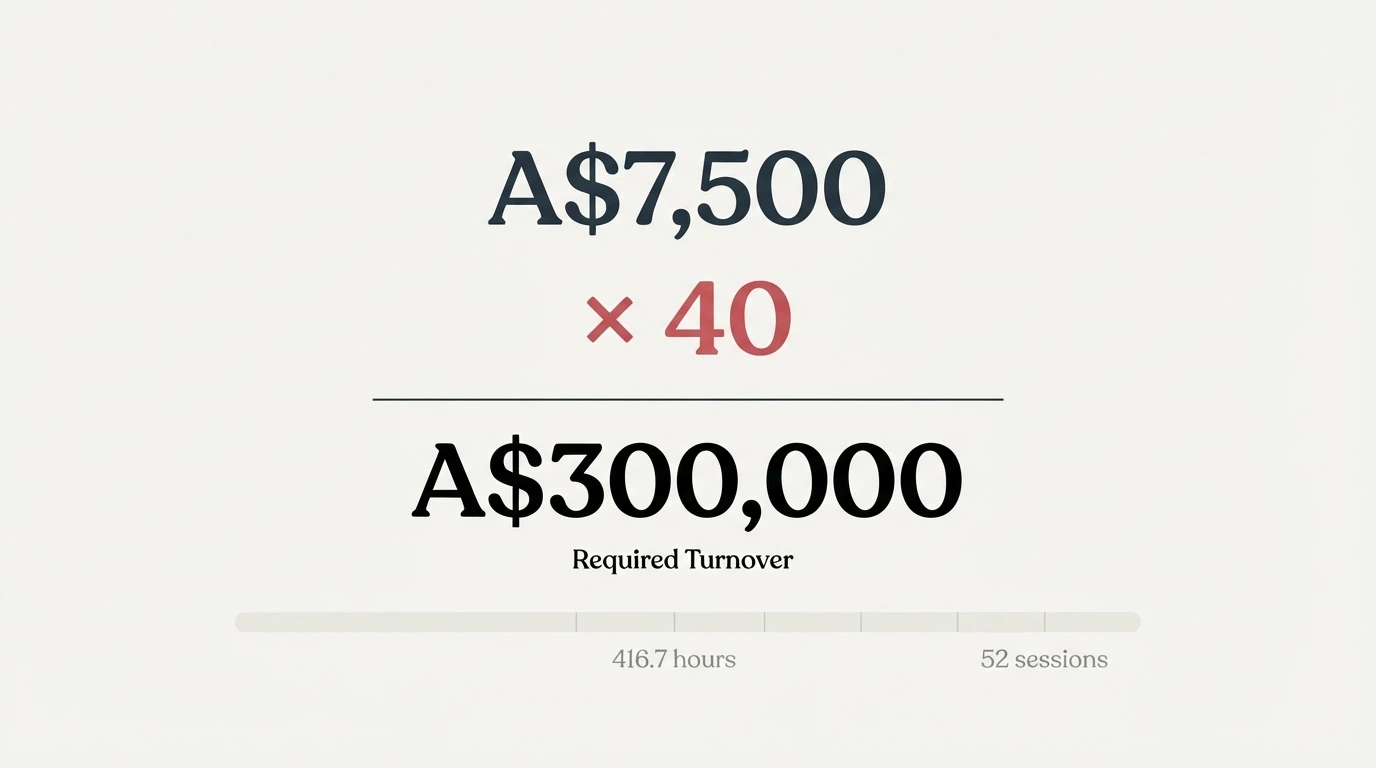
Take Jackpot Jill’s welcome package as the worked example. The package is A$7,500 across the first five deposits, and the industry-standard offshore wagering requirement sits at 40x on bonus funds. Applied to that A$7,500, the required turnover is A$300,000 before any of the bonus becomes withdrawable — assuming only the bonus amount is wagered. At a A$1 stake and a 5-second interval per spin, that A$300,000 of turnover is 300,000 individual spins, or 1,500,000 seconds of continuous play — 416.7 hours, or roughly 52 eight-hour sessions. The figure is a statistical estimate over many spins at the stated stake and spin rate, not a guaranteed outcome for any individual player.
The wagering requirement is the conversion mechanism that turns the marketing number into the real number. Cashback is the second mechanism: a percentage figure that, in the absence of real-money terms, may be paid as bonus funds subject to its own wagering requirement. Both mechanisms are where the comparison across the operator set actually lives. Headline figures move; turnover requirements move in proportion; the gap between them is what a player is being asked to absorb.
Welcome Packages That Open the VIP Door
The multi-deposit welcome is the standard structure offshore casinos use to spread the bonus across several top-ups rather than concentrate it on the first. Jackpot Jill’s A$7,500 over five deposits is the clearest example in the featured set. The mechanic rewards continued deposits, not the first one alone, and each subsequent deposit carries its own match percentage and maximum cap. A player who claims all five and reaches the bonus headline has deposited at least five times and is partway through whatever the operator’s standard engagement model asks for.
The zero-wager exception at Jackpot Jill — covering the 100 free spins — is the welcome-package feature worth dwelling on. The free spins carry no wagering requirement, which means the winnings from those spins land as real cash, subject only to the A$200 maximum-win cap. A player who treats the free spins as a separate bonus from the deposit-match portion has a chance to walk away with real money from a casino welcome package, which is exactly what the standard 40x wagering on the A$7,500 is designed to prevent.
Headline sizes on welcome packages span a wide range. Standard-player welcome packages at the major offshore operators tend to sit in the A$1,500 to A$5,000 range over one to three deposits. High-roller-targeted packages run A$2,000 to A$20,000 in maximum bonus caps, with the largest figures attached to deposit-match percentages between 25% and 100% — occasionally 200% on a single-deposit offer. The numbers that grow largest are the numbers most exposed to the wagering requirement underneath. A A$20,000 high-roller bonus at 40x wagering means A$800,000 of required turnover, which at A$1 per spin is 800,000 spins and at five-second intervals is 1,111 hours of continuous play. The headline scales; the time to clear scales faster.
Deposit-Match Offers and the High-Roller Multiplier
The deposit-match is the most common bonus shape at offshore casinos and the one where VIP status changes the offer most clearly. A standard deposit-match sits at 100% of the deposit up to a defined cap, with the wagering requirement set at 35x to 50x on the bonus amount. VIP-targeted deposit matches stretch the match percentage — sometimes to 200% — and raise the cap to the A$2,000 to A$20,000 range that high-roller packages occupy. The trade is that the player’s required turnover scales with the bonus size, not with the match percentage.
The deposit-match and the reload bonus are similar in structure but different in cadence. A deposit-match is attached to the first deposit (or the first several) and forms the welcome package. A reload bonus is attached to subsequent deposits and forms part of the ongoing promotions calendar. Both carry wagering requirements. The reload’s wagering is sometimes lower than the welcome’s, because the player has already cleared the welcome and is now in the operator’s retention model rather than its acquisition model. The VIP tier the player holds at the time of the reload influences both the reload percentage and the wagering multiple — the higher the tier, the closer to the 10x to 20x VIP-specific range.
A deposit-match is not a gift. It is a credit against future play, with the house edge built into the wagering requirement. The match percentage determines how much the casino credits. The wagering requirement determines how much of that credit the player is likely to convert into withdrawable cash. Reading both numbers together, and recognising that the second number grows much faster than the first, is the comparison most welcome-package tables do not show.
No-Deposit VIP Perks — and Why They Are Rare in 2026
No confirmed no-deposit VIP bonus appears at any of the ten operators reviewed on this page. The absence is worth naming, because the marketing elsewhere on the affiliate sites that rank these operators frequently references no-deposit VIP perks in the abstract. The reality is that no-deposit offers at offshore casinos carry a specific cost to the operator — they attract bonus-abuse players who register, claim, withdraw, and disappear — and the operators reaching Australia have largely stopped offering them.
The regulatory environment makes the economics worse. An Australian player claiming a no-deposit VIP bonus from an offshore operator is in a transaction the IGA 2001 prohibits the operator from providing. The operator offering it is therefore taking on legal exposure for the sake of an acquisition channel that does not reliably convert. Most operators have decided that channel is not worth the risk.
The thing to read instead of a no-deposit VIP bonus is the deposit-gated welcome package. The structure rewards a player’s first deposit with bonus funds and free spins, with the VIP ladder opening behind the deposit rather than in front of it. A player who joins for the no-deposit perk will not find one. A player who joins for the deposit-gated package will find several, and the wagering requirements attached to those packages are the figure worth reading.
Ongoing Cashback, Reload Rewards and the Promotions Calendar
The welcome package is the acquisition layer. The cashback ladder, reload bonuses, and seasonal promotions are the retention layer, and they are where the VIP program delivers its ongoing value. Cashback is the most visible of the three.
The mechanism varies across operators. SkyCrown publishes two parallel cashback tracks — 10% on pokies losses up to A$300, and 10% on live-dealer losses up to A$1,500 — both carrying 10x wagering and both requiring A$45 minimum deposits and A$150 minimum weekly losses. Rocket Play runs a single weekly cashback ladder from 7% at Iron to 10% at Diamond, credited Thursdays, with no published wagering multiplier. Royal Reels scales from 5% at Bronze to 15% at Platinum Elite, with the published detail stopping where the operator’s published detail stops. Jackpot Jill uses multipliers from 1x at Bronze to 2.5x at Diamond, with the underlying base rate the operator chooses not to publish in full.
Reload bonuses work like smaller welcome packages. The player makes a deposit, the operator credits a percentage of it as bonus funds, and a wagering requirement attaches to the credit. The reload’s wagering is sometimes lower than the welcome’s, on the theory that the player has already demonstrated volume and the operator wants to retain rather than acquire. The promotions calendar — the schedule of seasonal bonuses, free-spin weeks, deposit boosts — is where the retention work concentrates.
Loss rebates are the third ongoing perk and the most ethically loaded. Rocket Play’s structure covers up to 25% of daily losses, with coverage scaling from A$1,000 per day at Bronze to A$2,000 per day at Diamond. The mechanism pays a percentage of losses back, which is mechanically a reduction in net loss — and functionally a reason to continue playing rather than walk away at the threshold. Rebates of this kind reward exactly the behaviour that responsible-gambling signage asks players to stop. The operator’s terms make it sound protective. The design is retention.
The Pokies and Tables That Come Alive at VIP Level
The marketing of VIP-level games suggests something has changed about the games themselves. Higher-tier access. Exclusive titles. Premium tables. Special editions. The reality underneath is that the games catalogue is the same games catalogue a standard player sees, and what changes is the wrapper around it — the cashback, the wagering, the limits, the support contact.

This is the part of the VIP experience most worth deflating. A pokies reel is a pokies reel. The maths that drives it does not change because the player logged in at a higher tier. The live-dealer table is the same table other players are sitting at. The hand is shuffled the same way and the cards land the same way. What changes is what the casino pays back when the hand does not land the way the player wanted. The wrapper is the VIP perk. The engine is the same.
The Pokies Catalogue Reserved for VIP Players
Pokies is the Australian term for slot machines, and the term is what an AU player reads first when an offshore casino describes its games catalogue. The catalogues themselves tend to be large by global standards — SkyCrown claims more than 10,000 games across its operator — but the figure is a count of titles rather than a measure of quality or exclusivity. Most of those titles are available to any signed-in player, not only to VIP-tier accounts.
Provider mix is the closest thing to a VIP-relevant differentiator. Different studios produce games with different volatility profiles, different mechanic structures, and different aesthetic signatures. A casino running a Pragmatic Play-heavy catalogue reads differently from one running a NetEnt-heavy catalogue, and the differences are visible in the lobby rather than at the tier level. The VIP tier does not unlock a separate studio or a hidden catalogue of premium titles. The catalogue is the catalogue.
What does change at VIP level is the operational environment around the catalogue. Higher stake sizes become available — the maximum bet on a single spin may scale upward for VIP-tier players. Loss-recovery mechanics (the cashback tracks described earlier) attach to VIP-level play rather than standard play. Withdrawal limits increase, which matters when a single session produces a payout large enough that a standard withdrawal cap would require multiple transactions to clear. None of those changes alter the underlying pokie. They alter the terms on which the pokie is being played.
Live Dealer Tables and the VIP Room Difference
Live dealer tables are where the VIP marketing has the most surface to work with. A standard live-dealer table runs a stake range from a few dollars to several thousand, with seats shared among players who arrived at the table through the standard lobby. A VIP table runs a higher stake range, often with seat reservation, often with a dealer trained to engage the high-stakes player rather than the casual browser, often with a maximum-bet ceiling that standard tables do not match.
SkyCrown’s separate live-dealer cashback track — 10% up to A$1,500 — is the cleanest example in the featured set. The operator has built a retention mechanism specifically for live-dealer losses, separate from the pokies cashback track and with a cap five times higher. The reason is the stake profile. Live-dealer players tend to bet more per round than pokies players, and the variance at higher stakes makes a loss-recovery mechanism more commercially valuable to the player — and therefore more expensive for the operator to offer. The cashback is real. The 10x wagering on it is the price of accessing it.
The RNG-versus-live split is also worth noting. Random-number-generated pokies and live-dealer games carry different variance profiles, and VIP players tend to spend more time at the live tables because the higher stake ceiling makes them a more efficient way to clear volume. A player climbing a comp-point ladder at A$15 wagered per spin will reach the next rung faster at a A$100 live-dealer hand than at a A$1 pokie spin. The VIP program design rewards exactly that behaviour, and the live-dealer cashback track exists to retain it.
RTP, Volatility and What Actually Changes With VIP Access
RTP — return to player — is the percentage of total wagers a game pays back over a long run. Volatility is the size and frequency of payouts: high volatility means larger but rarer wins, low volatility means smaller but more frequent wins. Both are properties of the game engine itself. Neither changes when a player signs in at a higher VIP tier.
The claim that VIP access unlocks better RTP is the marketing layer the responsible-player material most needs to puncture. Offshore casinos targeting Australia do not publish per-title RTP for the games they offer, which means the player cannot verify what the game’s long-run return actually is. The absence of published RTP is itself information: a regulated Australian venue publishing its return-to-player figures under state casino supervision is providing an audit trail the offshore operator is not. A player who treats VIP status as a route to better games is being sold a wrapper change rather than an engine change.
What does change is the operational terms. The wagering requirement on cashback is lower at the VIP level than the standard level. The cashback rate is higher. The withdrawal limits are higher. The processing time on withdrawals is faster. The account manager is on call. None of those changes move the maths of any individual spin. They move the maths of the engagement model, and that is the engine the VIP program is actually selling.
Crypto, Bitcoin and the Anonymous VIP Lane
Crypto deposits are the payment layer offshore casinos have leaned into most heavily since the Australian credit-card ban took effect in June 2024. The pitch to the player is anonymity. The reality is the opposite: a crypto deposit from an Australian wallet is the most traceable payment method available, because every transaction is recorded on a public ledger, and the operator is required to run know-your-customer checks before any withdrawal can be processed.
The legal contradiction sits underneath the marketing. The online casino product is prohibited under the IGA 2001. The crypto payment method is prohibited under the Interactive Gambling Amendment (Credit and Other Measures) Act 2023, effective 11 June 2024. An Australian player funding an offshore VIP casino with Bitcoin is therefore operating at the intersection of two prohibitions — the product prohibition and the payment-method prohibition — and the operator accepting that payment is operating in the same intersection.
How Crypto Deposits Fit Into an Australian VIP Strategy
The practical mechanics of a crypto deposit at an offshore VIP casino are straightforward. The player opens an account, navigates to the deposit screen, selects a cryptocurrency — Bitcoin is the most common — and sends funds from a wallet to the casino’s deposit address. The transaction confirms on the blockchain within minutes. The casino credits the account and the player begins wagering.
The legal mechanics are less straightforward. Crypto is a banned payment method for online wagering in Australia, and an operator that fails to enforce the ban faces penalties of up to A$247,500. The penalty attaches to the operator, not to the player, which is why offshore casinos continue accepting crypto from Australian wallets — the enforcement risk sits with the operator’s Australian exposure rather than with the player at the keyboard.
The know-your-customer trigger is where the anonymity promise breaks. A player depositing crypto and then requesting a withdrawal triggers verification at the operator’s discretion: government ID, proof of address, sometimes source-of-funds documentation. A player who passed the deposit stage thinking the crypto route was anonymous finds out at the withdrawal stage that it is not. The operator’s terms reserve the right to refuse the withdrawal until verification completes, which can take days or weeks, and the player has no Australian regulatory body to escalate to if the verification stalls.
The forward-looking risk is sharper. From 1 January 2027, banks and payment providers gain express authority to block transactions to illegal gambling operators. A player funding a crypto deposit from an Australian bank account — which is the typical on-ramp, since the major Australian exchanges require bank transfers for fiat-to-crypto conversion — is creating a paper trail the bank can review under the new powers. The blockchain transaction is permanent. The bank’s ability to act on it is becoming law.
Your VIP Login, Account Manager and the Support Pipeline
The VIP login is the entry point the marketing emphasises most. The reality is that the VIP login is the same login as the standard player account, with a different view of the same backend. The personal account manager is the support layer the marketing promises. The reality is that the manager is a relationship contact with a narrow band of capabilities and no regulatory authority over the operator’s decisions.
A player expecting the VIP login to feel like a private portal will find a tab in their standard account dashboard. A player expecting the account manager to function as an advocate will find a chat contact who can chase a pending withdrawal but cannot override an operator decision to close an account or void a bonus. The gap between expectation and reality is the central thing to manage when evaluating a VIP program at an offshore casino.
The Personal Account Manager and What They Actually Do
The personal account manager is the perk most operators publish first and the one readers remember most. The role covers a defined set of tasks: faster withdrawal handling, custom bonus negotiation, direct messaging rather than support queue, event invitations, occasionally birthday or anniversary gifts. The published capability is real for those tasks.
What the manager cannot do is also worth naming. A manager cannot compel an offshore operator to honour a withdrawal the operator has chosen to dispute. A manager cannot refer a complaint to a recognised Australian regulator, because the operator is not licensed by one. A manager cannot recover funds if the site is blocked with a balance still on it, because the ACMA’s blocking action removes the site from Australian access rather than freezing its accounts. A manager cannot change the operator’s terms unilaterally, and the operator’s terms reserve broad discretion to refuse bonuses, void winnings, and close accounts without notice.
The threshold at which a manager unlocks varies across the operator set. Jackpot Jill sets the bar at Gold tier, around A$5,000 in lifetime wagering — the lowest confirmed threshold in the featured set. Royal Reels sets it at Platinum Elite, the top rung of a five-tier ladder. The lower the threshold, the more players will reach it. The higher the threshold, the smaller the cohort the manager actually serves.
Offshore operators are not connected to BetStop. The National Self-Exclusion Register binds approximately 150 licensed Australian wagering providers. An offshore casino is not one of them, which means a player who has registered with BetStop remains free to open an account, deposit, and play at any of the offshore VIP programs reviewed on this page. The manager’s role does not extend to checking whether an incoming player has self-excluded elsewhere. The check does not happen, because the data is not connected.
The Legal Reality — Every VIP Casino Reaching Australia Is Unlicensed
The legal reality is the section that does the most work on this page. Every VIP casino reaching Australian players is unlicensed in Australia. Not unlicensed in the sense that the operator has failed to apply for a licence — unlicensed in the sense that the licence does not exist. The federal Interactive Gambling Act 2001 prohibits online casino games to persons physically in Australia. No state or territory licence for an online casino exists. The product is banned, and the operators running VIP programs targeting Australians are operating in the gap between that ban and the offshore regulatory environments they have chosen instead.

This section walks through the four pieces of the legal frame: the legislation, the enforcement record, the upcoming reform, and what the player loses by operating outside the regulated frame.
The IGA 2001 and Why No Online Casino Holds an Australian Licence
The Interactive Gambling Act 2001 prohibits the provision of online casino games, online pokies and in-play sports betting to persons physically in Australia. The Interactive Gambling Amendment Act 2017 strengthened the prohibition and gave the Australian Communications and Media Authority the powers to investigate, warn and refer sites for blocking. The licensing framework that does exist in Australia — state and territory wagering licences, concentrating in the Northern Territory through the Northern Territory Racing and Wagering Commission and Licensing NT — covers wagering on racing and sport before the event begins. It does not cover online casino, because the product it would cover is prohibited by federal law.
A wagering licence and a casino licence are different things, and the difference is the reason the offshore VIP operators reviewed on this page are not licensed in Australia. Sportsbet, bet365, Ladbrokes and other NT-licensed bookmakers operate legally within the wagering frame. They do not offer online casino games or VIP casino programs. The offshore operators reviewed on this page offer online casino games and VIP casino programs. They do not hold Australian licences because Australian licences for that product do not exist.
The distinction matters for two reasons. First, a player joining an offshore VIP casino is not joining a licensed Australian operator and is therefore not protected by Australian consumer law, the ACMA’s complaints process, or BetStop. Second, a player joining a licensed Australian wagering operator is joining a service that does not offer the product the player is looking for, which means the comparison a reader might imagine between “licensed” and “offshore VIP” is not a real comparison at all. The licensed option does not exist in this category.
ACMA Enforcement — 1,788 Blocked Sites and What That Means for Your Balance
The ACMA has directed Australian ISPs to block 1,788 illegal gambling and affiliate websites since the first blocking request in November 2019. The figure is current as of August 2026. Over 230 illegal gambling services have withdrawn from the Australian market since enforcement began in 2017, choosing to stop serving Australian players rather than face the blocking action.
The Q4 2025 enforcement snapshot is the most recent published period. The ACMA investigated 483 enquiries and complaints, completed 23 investigations into 45 gambling sites, found 69 breaches of the IGA, issued 10 formal warnings and referred 133 websites for ISP blocking. Of the 69 breaches, 38 were for providing a prohibited interactive gambling service, 26 for providing an unlicensed regulated interactive gambling service, and 5 for advertising a prohibited or unlicensed service in Australia. The volume is not symbolic. It is a quarterly operations tempo.
What the enforcement record means for a player whose VIP casino appears on the next blocking list is the part the marketing does not discuss. A blocked site is not accessible from an Australian IP address, which means the player cannot log in to request a withdrawal. The site continues to operate from its offshore base, and balances on it remain the operator’s responsibility — but the operator’s customer-service channels were, in many cases, the only withdrawal route available, and the operator’s incentive to process withdrawals for a player who can no longer reach the site is the operator’s incentive alone. No Australian regulator steps in to force the payout. The 1,788 figure is not a number to be proud of. It is a number to think about before placing a deposit.
The 2026 Gambling Reform Bill and What It Changes for VIP Players
The Interactive Gambling Amendment (Gambling Reform) Bill 2026 passed the House of Representatives on 18 August 2026 and the Senate on 19 August 2026. Substantive measures commence on 1 January 2027. The reform introduces three new Parts of the IGA: Part 7C restricting wagering advertising, Part 7D restricting inducements and commissions, and Part 7E establishing the Wagering Advertising Opt-out Register, known as AdStop.
The advertising restrictions are specific. From 1 January 2027, wagering ads on television are capped at three per hour between 6:00 am and 8:30 pm, with a blackout during live sport from 15 minutes before the event until five minutes after. Radio wagering ads are banned during school-commute hours. Online wagering ads are permitted only to logged-in, verified 18+ users who have not opted out via AdStop. Sports venue and uniform advertising is banned. Celebrity and influencer endorsements of wagering products are banned. Broadcasting of sporting odds is banned outright.
The inducement restrictions target the practices VIP programs rely on most heavily. From 1 January 2027, direct marketing of inducements is prohibited for 14 days after a customer signs up and for 90 days after a person deregisters from BetStop. The ban is indefinite for customers identified as at-risk. The cooling-off periods are aimed directly at the bonus-driven acquisition model offshore VIP casinos use — the welcome package delivered within minutes of registration, the deposit match triggered on the first top-up, the reload bonuses fired at the start of every retention cycle. The reform does not extend to offshore operators serving Australian players, because those operators are not licensed and the reform operates within the Australian regulatory frame. The reform’s effect on the offshore VIP model is therefore indirect: it makes the licensed alternative less aggressive at the moment a player is most likely to be tempted, and it raises the bar the licensed operators must clear, without changing what the offshore operators can offer.
The payment-blocking authority is the part most directly relevant to the offshore player. From 1 January 2027, banks and payment providers gain express authority to block transactions to illegal gambling operators. A player funding a deposit at an offshore VIP casino from an Australian bank account is creating a transaction the bank can decline. The bank does not need a court order, the bank does not need ACMA referral, the bank simply gains the statutory authority to say no. For a player, this means the deposit may not arrive. For an operator, it means the customer-acquisition channel narrows.
What You Lose When You Play Outside the Regulated Frame
The losses attach to the absence of the protections licensed operators are required to maintain. No Australian consumer law covers the transaction, because the transaction is with an unlicensed offshore operator and Australian consumer law does not reach beyond the Australian regulatory frame. No ACMA complaints recourse exists for the same reason — the ACMA’s complaints process is for licensed Australian wagering operators, and an offshore VIP casino is not one. The offshore operator’s terms reserve broad discretion to change bonus terms, change wagering requirements, change withdrawal limits, refuse a withdrawal, void a win, or close an account without notice. The player has no Australian regulator to escalate to. The site can be blocked at any time, with balances still on it, and the ACMA’s blocking action does not include a funds-recovery mechanism.
The Guardian reported in November 2025 that offshore gambling companies are using third-party websites to entice Australian BetStop registrants to resume gambling, targeting the population that has voluntarily self-excluded. The 2026 reform’s BetStop strengthening — requiring operators to identify at-risk customers and cease sending them inducements — applies to licensed operators. The offshore operators serving Australian players are not licensed, and the requirement does not reach them.
When VIP Perks Collide With Responsible Play
The VIP program and the responsible-gambling infrastructure sit on opposite sides of the same table. The VIP program rewards higher spending with higher cashback rates, higher withdrawal limits, dedicated support, and loss-recovery mechanisms. The responsible-gambling infrastructure asks players to set deposit limits, take breaks, and self-exclude when play stops being fun. Both sides of the table are real. They are not reconcilable.
About 2.1% of Australian adults — roughly 430,000 people — experience problem gambling, and a 2026 model-based study estimates approximately 3.29 million Australians aged 5 and over are affected annually by their own or another person’s gambling, including approximately 1.97 million adults classified as having at-risk or problem gambling. The annual health loss associated with gambling-related harm in Australian adults exceeds 400,000 Years Lived with Disability. In 2022, 11% of Australians had gambled online in the previous six months, up from 8% in 2020. The trend line is moving in the wrong direction for the population, and the VIP program is one of the mechanisms accelerating it.
BetStop, Self-Exclusion and the Offshore Loophole
BetStop is the National Self-Exclusion Register. It launched on 21 August 2023. A single registration excludes a person from every Australian-licensed online and phone wagering service, across approximately 150 licensed providers. As of 31 March 2026, 59,830 people had registered with BetStop, of whom 37,247 had active exclusions — more than 62% of all registrants.
The offshore loophole is the gap BetStop cannot close. BetStop binds Australian-licensed wagering providers. Offshore VIP casinos are not licensed in Australia and are not connected to the register. A person who has self-excluded through BetStop remains free to open an account, deposit, and play at any of the offshore VIP programs reviewed on this page. The offshore operator has no obligation to check whether an incoming player has self-excluded elsewhere, and the data is not connected in a way that would let them check even if they wanted to.
The Guardian reported in November 2025 that offshore gambling companies are using third-party websites to entice Australian BetStop registrants to resume betting, targeting people who have placed voluntary restrictions on themselves. The 2026 reform strengthens BetStop by requiring licensed operators to identify at-risk customers and cease sending them inducements, but the requirement reaches licensed operators only. The offshore operators serving Australian players are not subject to it, and the affiliate-site marketing layer is not subject to it. The reform tightens the regulated frame and leaves the unregulated frame unchanged.
Where to Get Help — Helplines, Tools and the Real Cost
The National Gambling Helpline — 1800 858 858 — is free, confidential and staffed 24 hours a day, seven days a week. Online chat and counselling are available through Gambling Help Online at gamblinghelponline.org.au. BetStop, the National Self-Exclusion Register, is reachable at betstop.gov.au and covers every Australian-licensed wagering provider. State-based gambling counselling services exist in every state and territory, and the state regulator is a point of contact for complaints against licensed operators.
The help infrastructure exists. None of it requires the reader to be a player at any particular casino. The helpline is free regardless of where the call comes from. The Gambling Help Online chat is open to anyone affected by their own or another person’s gambling. BetStop is open to anyone who wants to self-exclude from licensed Australian wagering, and the registration is permanent until the person chooses to lift it. None of these resources are gated behind the operator the player happens to be using.
The harm data is the part that makes the call worth making early. Approximately 430,000 Australian adults experience problem gambling. Approximately 3.29 million Australians are affected annually by their own or another person’s gambling. The annual health loss exceeds 400,000 Years Lived with Disability. These are not background numbers. They are the cost of a market operating in a gap between the licensed and unlicensed frames. A reader who recognises the early signs in themselves or someone they know — chasing losses, hiding play, increasing deposits to chase the previous stake size, feeling anxious when not playing — has resources available that do not require them to keep playing.
How We Evaluate VIP Casino Programs for Australian Players
The evaluation this page makes is grounded in three sources: the operators’ own published VIP-program pages, the ACMA’s enforcement record and the IGA’s legislative framework, and the Australian market-share data on the brands that reach Australian players. No brand was taken at its word. Every published VIP-program figure on this page comes from the operator’s own VIP page or from a third-party review that cited the operator’s terms. Every regulatory claim comes from the ACMA, the IGA, or the parliamentary materials behind the 2026 reform. Every market-share figure comes from the operator-presence data on the Australian-facing operator pool.

The criteria the evaluation applies are qualitative rather than weighted. VIP-program transparency — whether the operator publishes tier counts, cashback rates, wagering requirements, and account-manager thresholds — is the first cut. Operators that publish earn a place in the comparison table; operators that do not are noted as such. Published cashback terms are checked for wagering multiples, because the headline cashback rate without the wagering multiple is the marketing layer the rest of this page tries to remove. Account-manager thresholds are checked for the tier at which the manager unlocks and what the manager actually does. Deposit-insurance terms are checked for the loss percentage covered and the daily cap.
The cross-check against the ACMA’s regulatory database confirms the regulatory status of each operator — whether the operator is licensed in Australia, whether it has been referred for blocking, whether it appears in the enforcement record. The cross-check against the IGA confirms the product status of online casino in Australia, which is prohibited across all states and territories. The cross-check against the 2026 reform’s published commencement dates confirms what changes from 1 January 2027 and what remains unchanged.
The ranking that results from the evaluation is qualitative, not numerical. No weighting formula was applied. The four operators with detailed VIP-program publication — SkyCrown, Rocket Play, Royal Reels and Jackpot Jill — appear at the top of the table because their published detail supports comparison. The six operators without published detail appear below them, with the gap between their market presence and their published VIP terms noted. The reader can disagree with the order, and the underlying figures are the basis for disagreement.
What to Actually Do About VIP Casino Programs in Australia
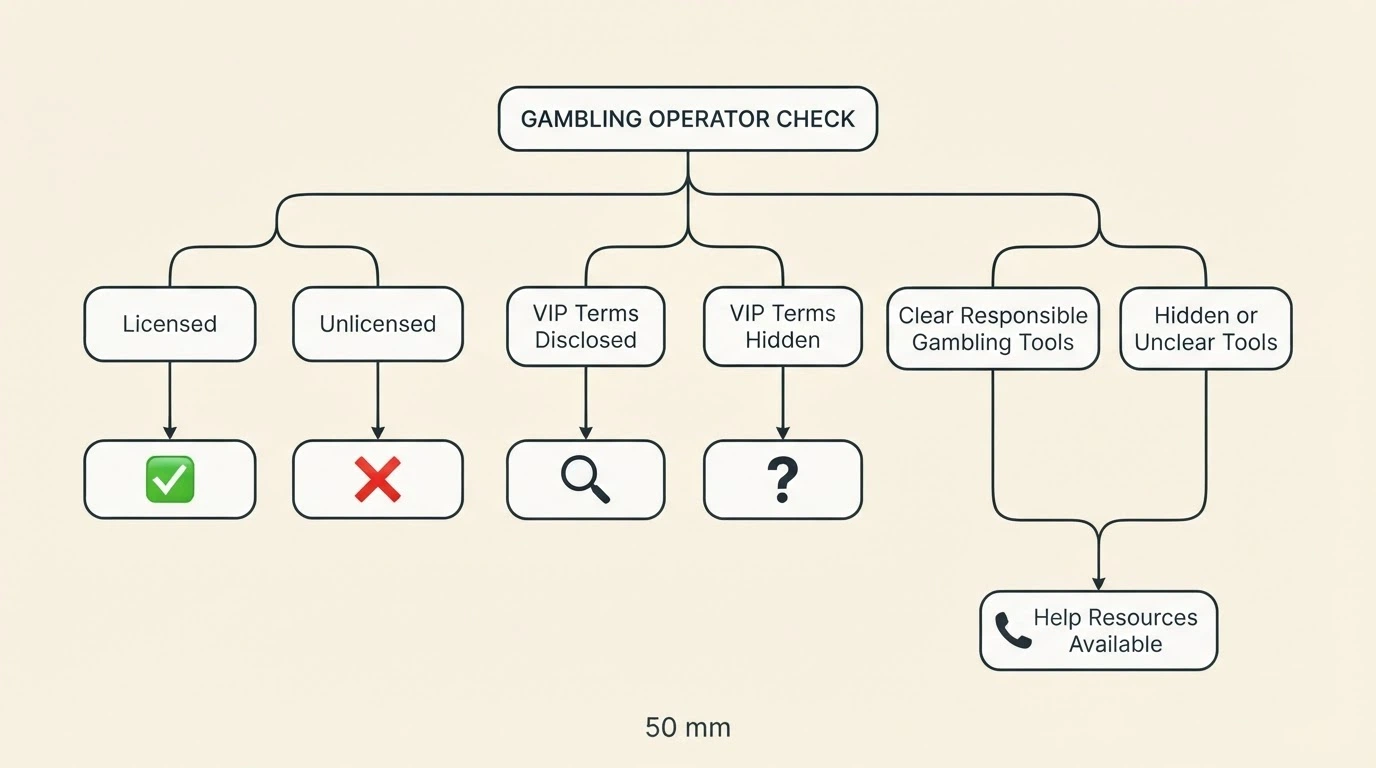
The honest position this page reaches is that no offshore VIP cashback rate is worth the zero-protection risk of an unlicensed offshore casino. The IGA 2001 prohibits the product. The ACMA’s enforcement record shows what happens to sites the regulator decides to block. The offshore operators are not connected to BetStop. The player has no Australian consumer protection, no ACMA complaints recourse, and no guarantee the balance will be there when the site is blocked or the operator decides to change terms.
The cashback percentages, the dedicated account manager, the welcome package with the zero-wager free spins — these are real perks attached to a product the Australian regulatory frame treats as illegal. The wagering requirements on the bonus funds are real costs. The 416.7 hours of continuous play required to clear a A$7,500 welcome package at 40x wagering is a real time commitment. The odds of completing the wagering requirement at standard offshore RTP are the real odds, not the marketing odds.
A reader who decides to play at an offshore VIP casino anyway is taking a risk the marketing does not name. A reader who decides not to play is making the call the regulatory frame has already made for them. A reader who recognises signs of harm in themselves or someone they know has the National Gambling Helpline at 1800 858 858, Gambling Help Online at gamblinghelponline.org.au, and BetStop at betstop.gov.au — all free, all confidential, all available before the next deposit clears.
The page does not recommend a casino. The page recommends a read.
Frequently Asked Questions About Casino VIP Programs in Australia
How do you reach the highest VIP tier at an online casino?
The highest tier is reached by accumulating the comp points or lifetime wagering volume the operator sets. SkyCrown’s level 10 sits at the far end of its comp-point progression. Jackpot Jill’s Royal tier is invitation-only above Diamond. Rocket Play’s Diamond seasonal tier sits on a three-month reset cycle. The exact threshold is published on each operator’s VIP page where it is published at all.
What is the difference between a VIP program and a standard loyalty program at an online casino?
The line is fuzzy and the operators prefer it that way. A standard loyalty program rewards play with comp points redeemable for bonus funds. A VIP program adds higher cashback rates, higher withdrawal limits, a dedicated account manager, and sometimes loss-rebate offers. In practice they are a single ladder with labels that signal what the player gets at each rung.
Do VIP casino programs offer real cashback or just bonus money with wagering requirements?
Both shapes exist. Rocket Play’s weekly cashback at 7% to 10% is published without an attached wagering multiplier. SkyCrown’s cashback carries 10x wagering on both the pokies and live-dealer tracks. Jackpot Jill uses multipliers on a base rate that is not fully published. Real-cash cashback exists, but bonus-money cashback with wagering is more common.
What happens to my VIP status and rewards if the casino site gets blocked in Australia?
The site becomes unreachable from an Australian IP address. Your account, your VIP tier, your accumulated comp points and any balance on the account remain with the operator. But the operator’s customer-service channels were often the only withdrawal route. No Australian regulator can compel the operator to process a withdrawal when the site is blocked, and no consumer-law backstop applies.
Can I use PayID or crypto to deposit at a VIP casino in Australia?
Crypto is banned for online wagering in Australia since 11 June 2024, and offshore VIP casinos accepting crypto from Australian players are operating outside the federal payment prohibition on top of the IGA’s product prohibition. PayID is a legal deposit method for licensed Australian wagering — but licensed wagering does not offer VIP casino, because online casino is prohibited. The two do not intersect at a working VIP casino.